 Pin it
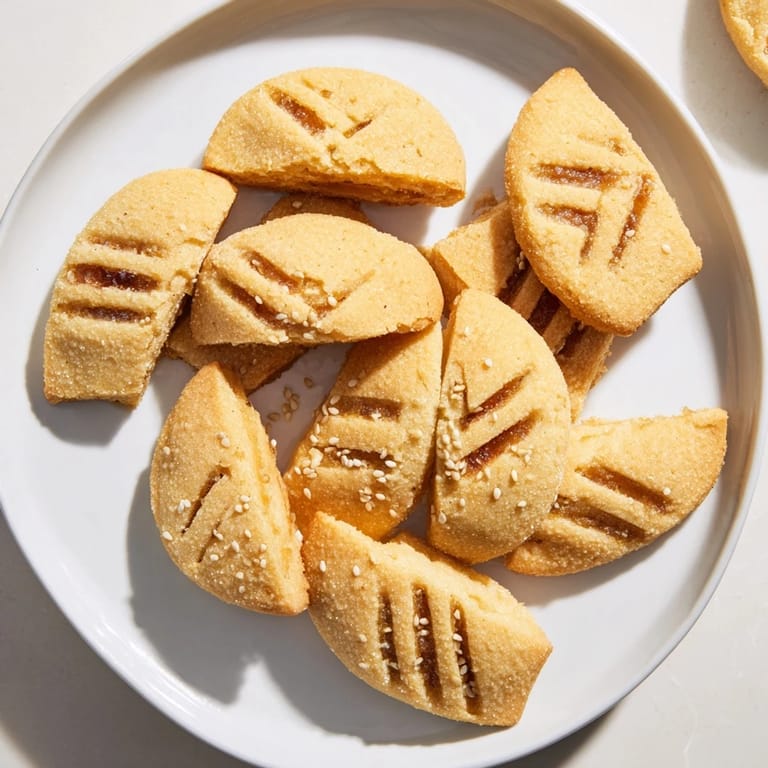
 My neighbor Fatima brought a tin of makroudh to my kitchen one afternoon, still warm from her own stove, and I understood immediately why these diamond-shaped pastries are treasured across Tunisia. The moment I bit into one—that satisfying crunch of the semolina crust giving way to the honeyed sweetness and warm spiced dates inside—I knew I had to learn her method. She laughed when I asked for the recipe, saying it wasn't in a book but in the hands, and she spent the next hour showing me exactly how the dough should feel, how to listen for the sizzle that meant the oil was ready, and why resting matters more than rushing.
I made these for my daughter's school potluck, nervous about whether a Tunisian dessert would stand out, but they disappeared before anything else at the table. A parent asked for the recipe, then another, and suddenly I was the person people called when they wanted something that felt special but tasted like it came from somewhere real. That's when I realized makroudh isn't just a cookie—it's a conversation starter.
Ingredients
- Fine semolina: This is your foundation—use the finest grind you can find because it creates that distinctive grainy texture and golden crust when fried.
- Unsalted butter and olive oil: Together they create richness without heaviness; the combination is what gives makroudh its tender crumb.
- Warm water: Add it slowly because humidity varies, and you want a dough that's soft but not sticky—it should feel like it's holding itself together just barely.
- Pitted dates: Choose medjool or deglet noor; they should be soft enough to mash easily into a paste.
- Honey: This is your finish—it should be warm when you dip, so the cookies absorb just enough sweetness without becoming soggy.
- Orange blossom water: This is optional but transformative; even a teaspoon changes everything from good to unforgettable.
Tired of Takeout? 🥡
Get 10 meals you can make faster than delivery arrives. Seriously.
One email. No spam. Unsubscribe anytime.
Instructions
- Make the date filling first:
- Combine your chopped dates with butter, cinnamon, and nutmeg in a saucepan over low heat, stirring constantly. You'll watch them soften and come together into a smooth paste within about 5 minutes—resist the urge to turn up the heat, as slow cooking keeps them rich rather than burnt.
- Build your dough:
- Mix semolina, sugar, salt, and cinnamon in a large bowl, then pour in the melted butter and olive oil. Use your fingertips to rub everything together until it looks like wet sand, then gradually add warm water while kneading gently until you have a soft, pliable dough that doesn't stick to your hands.
- Rest and shape:
- Let your dough rest covered for 20 minutes—this is when the semolina fully absorbs the moisture and becomes easier to work with. Divide it in half, roll each piece into a thick log, then use your finger to press a deep groove down the center of each log.
- Fill and cut:
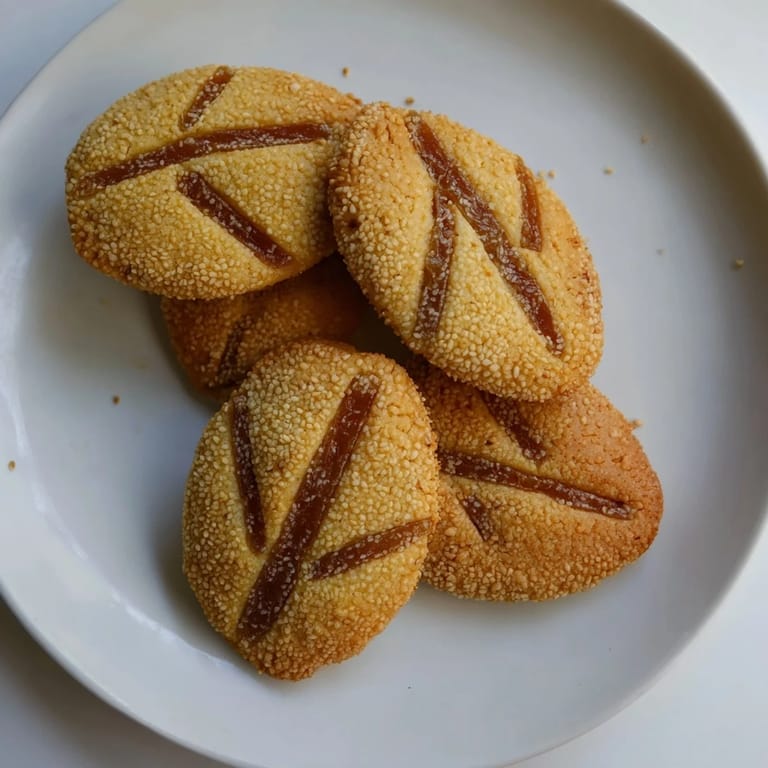
- Lay your cooled date filling into the groove, fold the dough over to seal it, then roll gently to smooth out any cracks. Flatten slightly and cut diagonally into diamond shapes about 4-5 cm across, using a sharp knife with a gentle sawing motion.
- Fry until golden:
- Heat your oil to 170°C (340°F)—use a thermometer because this temperature matters; too cool and they'll absorb oil, too hot and they'll brown before cooking through. Fry in batches for 5-7 minutes until all sides are deep golden, turning occasionally, then drain immediately on paper towels.
- Finish with honey:
- Warm your honey with orange blossom water if using, keeping it just warm enough to be fluid. Dip each fried makroudh into the syrup, letting excess drip off, then place on a wire rack where they'll cool and set.
 Pin it
 The first time I made these alone without Fatima watching, I overcrowded the pan and ended up with pale, oil-logged disasters. The second time, I fried them properly and served them to my family still warm, and my son asked if we could eat them every week. I told him no, but watching his face light up reminded me that some foods are worth the small failures along the way.
Why These Cookies Matter
Makroudh appears at weddings, holidays, and afternoon tea across North Africa, but what makes them special isn't just tradition—it's the fact that they're labor-intensive in a way that shows you care. When you hand someone a homemade makroudh, you're saying I spent time on this, I thought of you, and these aren't casual. The semolina texture, the honeyed sweetness, the way they shatter slightly when you bite down—all of it says this mattered enough to get right.
Baking Versus Frying
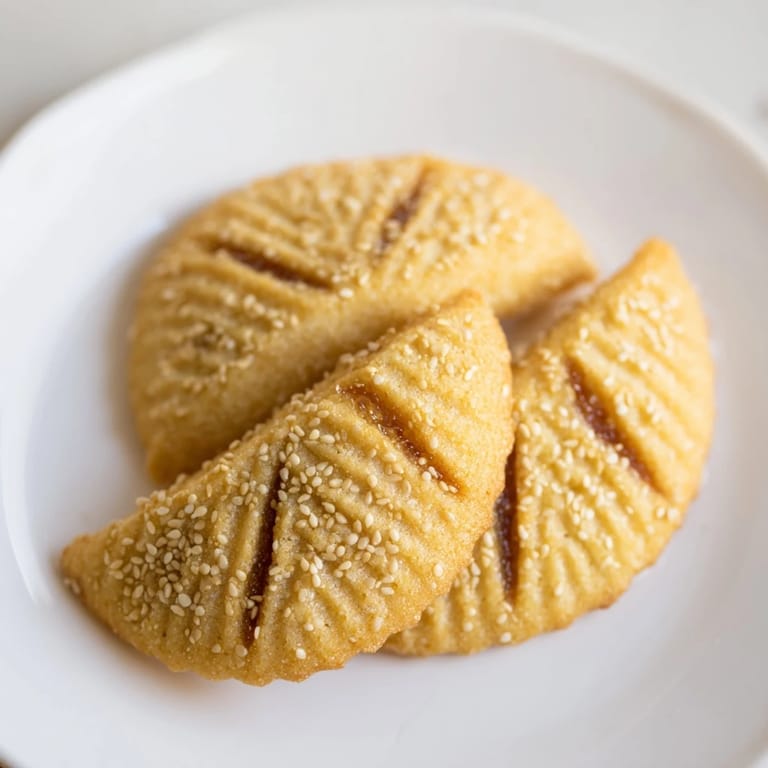
If you want a lighter version without the oil, you can bake these at 180°C (350°F) for 25-30 minutes until the edges turn golden. They won't have quite the same crispy-tender contrast, but they're still delicious, and they'll taste fresher to some people. I keep both methods in my rotation depending on the season and my mood—fried for celebrations, baked for quieter afternoons.
Flavor Variations
The classic version is perfect as is, but your kitchen is your laboratory. Rose water works beautifully instead of orange blossom water if you prefer a different floral note, and some cooks add a touch of ground clove or cardamom to the date filling for complexity. If you want to keep things simple, you can skip the orange blossom water entirely and let the dates and spices be the story.
- Try brushing the warm honey syrup with a pinch of sea salt on top to balance the sweetness and make the cookie taste more sophisticated.
- Store makroudh in an airtight container and they'll stay crisp for up to a week, but honestly, they rarely last that long in my house.
- If they soften after a few days, a quick 5-minute warm-up in a 150°C oven brings back the crunch.
 Pin it
 These cookies carry a piece of someone else's kitchen into yours, and that's the real recipe. Make them for people you want to remember you by.
Recipe FAQs
- → What type of flour is used in makroudh dough?
Makroudh dough is made primarily from fine semolina, which provides a characteristic texture and crunch.
- → How is the date filling prepared?
Dates are cooked gently with butter, cinnamon, and nutmeg until soft, then shaped into thin logs to be enclosed in the dough.
- → Can makroudh be baked instead of fried?
Yes, for a lighter version, bake the pastries at 180°C (350°F) for 25-30 minutes until golden, then dip in honey syrup.
- → What does the honey syrup add to the pastries?
The warm honey, often infused with orange blossom water, adds a fragrant sweetness and a glossy finish to the pastries.
- → Are makroudh suitable for a vegetarian diet?
Yes, these pastries are vegetarian, containing semolina, butter, dates, and natural spices.