 Pin it
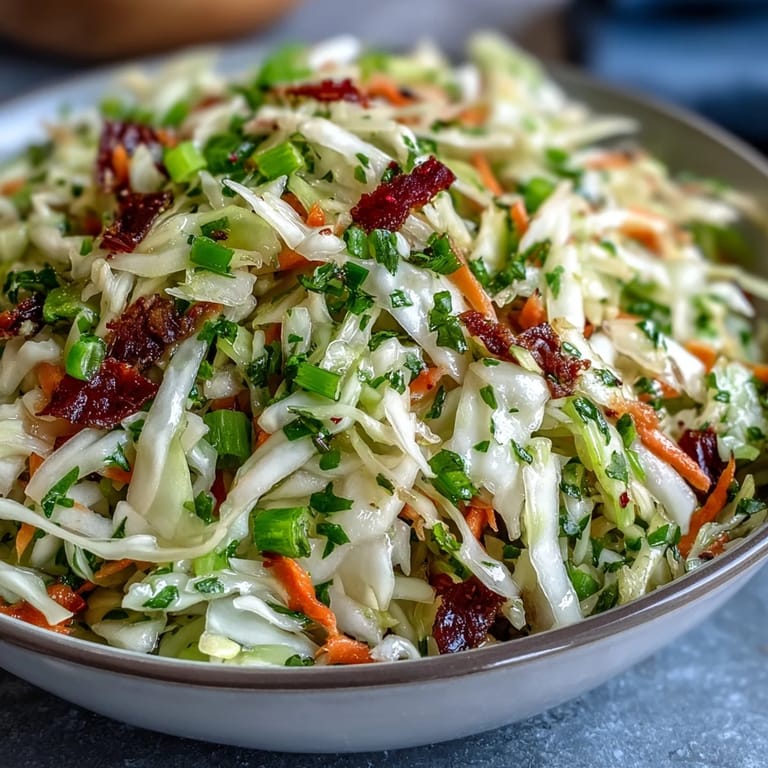
 My neighbor stopped by one afternoon with a jar of homemade sauerkraut she'd been fermenting for weeks, and I had no idea what to do with it beyond eating it straight from the jar. She suggested tossing it with fresh vegetables and a simple dressing, and that's when I realized how alive a simple slaw could taste—bright, funky, alive in a way that felt almost medicinal. That first bite changed how I thought about side dishes entirely.
I made this slaw for a potluck last summer, nervous that nobody would touch something labeled "fermented," but it disappeared faster than the potato salad. A friend asked for the recipe right there, standing by the empty bowl with her plate half full of other dishes she'd abandoned. That moment taught me that good food doesn't need fancy presentation—it just needs to be real.
Ingredients
- Sauerkraut, drained and lightly squeezed: This is your foundation—the tangy, probiotic-rich base that makes this slaw special, so choose a quality jar with minimal additives.
- Green cabbage, finely shredded: Fresh cabbage balances the fermented funkiness with sweetness and crunch that won't go soft.
- Carrot, grated: A little natural sweetness and earthiness that bridges the gap between the sharp sauerkraut and everything else.
- Red bell pepper, thinly sliced: This adds color and a subtle sweetness that makes the whole bowl feel more vibrant and less one-note.
- Green onions, thinly sliced: They bring an oniony bite that keeps things from tasting flat or one-dimensional.
- Fresh parsley, chopped: A handful of greenery that adds brightness and a peppery edge without overpowering.
- Extra-virgin olive oil: A good quality oil carries the dressing and adds richness that ties everything together.
- Apple cider vinegar: This acidic note deepens the slaw's tangy profile and makes the vegetables taste like they're singing.
- Dijon mustard: Just a teaspoon adds complexity and a gentle heat that you don't taste directly but feel in the finish.
- Maple syrup or honey: A touch of sweetness that softens the sharp edges and creates balance without making it taste like dessert.
- Ground black pepper and salt: Season to your preference, tasting as you go because fermented foods can vary in saltiness.
Tired of Takeout? 🥡
Get 10 meals you can make faster than delivery arrives. Seriously.
One email. No spam. Unsubscribe anytime.
Instructions
- Gather your vegetables in one bowl:
- Combine the drained sauerkraut, shredded cabbage, grated carrot, sliced bell pepper, green onions, and parsley in a large bowl. Take a moment to look at all the colors—you've already won half the battle.
- Whisk together the dressing:
- In a small bowl, whisk the olive oil, apple cider vinegar, Dijon mustard, maple syrup, black pepper, and a pinch of salt until it emulsifies slightly and smells like something you actually want to eat. Taste it straight—it should make your mouth water a little.
- Bring everything together:
- Pour the dressing over the vegetables and toss with your hands or a large spoon until every piece is coated and glistening. You'll feel the vegetables soften just slightly as they release their juices.
- Let it sit and marry:
- Let the slaw rest for 10 minutes before serving—this is when the magic happens and flavors actually become friends with each other. Taste and adjust salt or pepper if needed, then serve chilled or at room temperature depending on your mood.
 Pin it
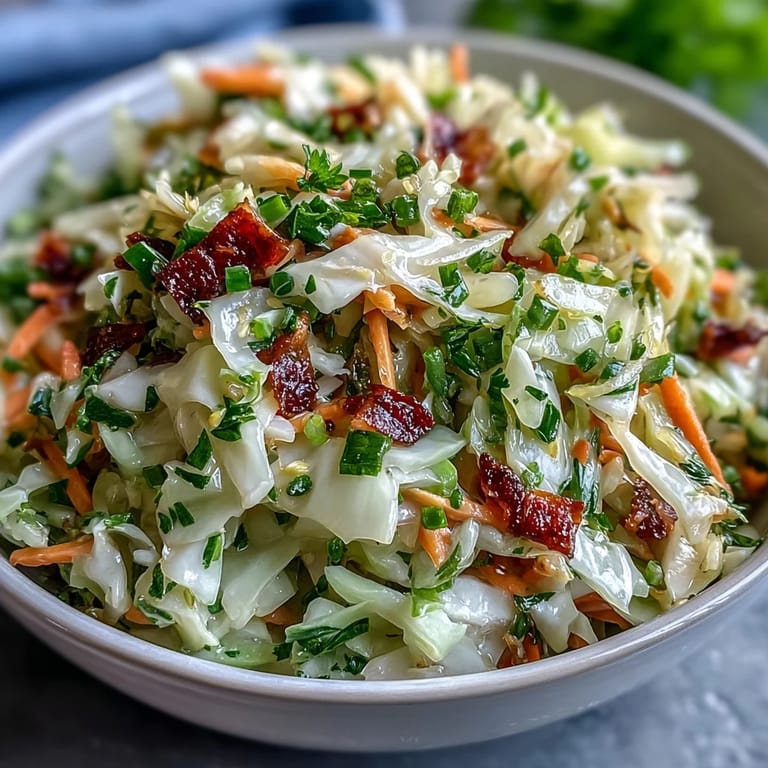
 My daughter once asked why fermented food was good for you, and instead of explaining probiotics, I just handed her a forkful and watched her face change as she tasted something she'd never encountered before. That slaw became proof that healthy food doesn't have to taste like punishment.
When to Serve This Slaw
This slaw shines next to rich, grilled proteins—the acidity and crunch cut through heaviness like nothing else can. I've served it alongside grilled sausages, alongside baked fish, even tucked into sandwiches where it transforms something ordinary into something memorable. It's the kind of side dish that makes people eat more vegetables without realizing it.
Making It Your Own
The beauty of this slaw is that it invites you to play around based on what's in your crisper drawer or what you're craving that day. Radishes add a peppery bite, fennel brings anise notes, and thinly sliced apple can bring a subtle sweetness if you want something different. I've learned that good cooking is less about following rules exactly and more about understanding why each ingredient matters.
Extra Texture and Final Thoughts
If you want to push this slaw into more interesting territory, toasted seeds change everything—sunflower seeds add nuttiness, pumpkin seeds bring earthiness, and they create texture that makes each bite more interesting. Sometimes I make the base and let people add seeds themselves at the table, turning dinner into something interactive.
- Toast seeds in a dry pan for just a minute to wake up their flavors before sprinkling over the slaw.
- Make this slaw up to a day ahead and store it in an airtight container, though it's best eaten within a few hours of dressing for maximum crunch.
- If you prefer maximum probiotics, skip the fresh cabbage and double the sauerkraut instead.
 Pin it
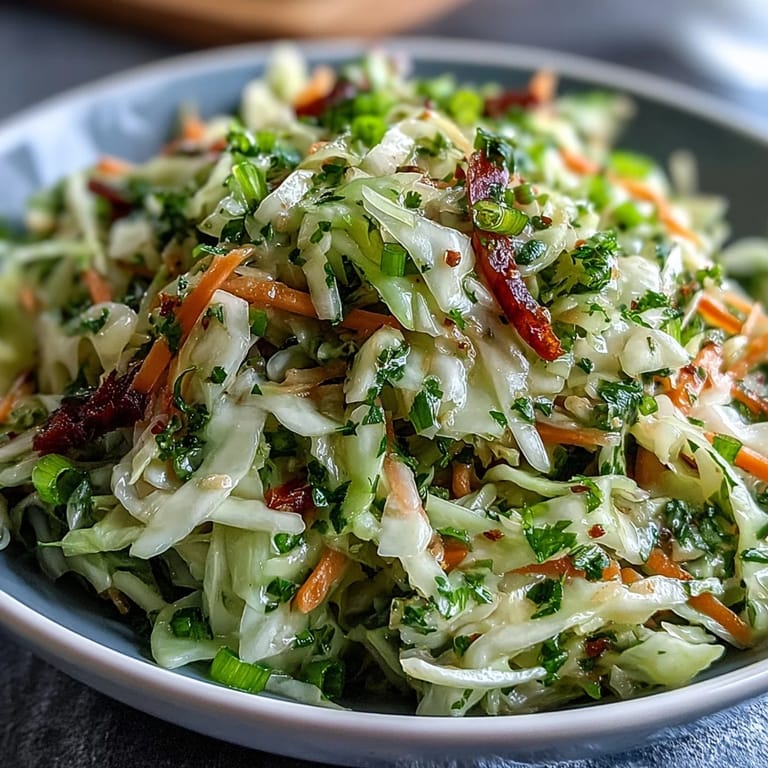
 This slaw has become my answer to "What can I bring?" because it's vegan, gluten-free, and tastes like you care without requiring fancy ingredients or hours in the kitchen. Every time someone asks for the recipe, I remember that the simplest dishes often leave the biggest impression.
Recipe FAQs
- → How long should sauerkraut slaw sit before serving?
Let the slaw rest for 10 minutes after tossing with dressing. This allows the flavors to meld and vegetables to soften slightly while maintaining their crunch.
- → Can I make this sauerkraut slaw ahead of time?
Yes, prepare up to 24 hours in advance and store refrigerated. The vegetables will soften slightly but maintain good texture. Add fresh herbs just before serving.
- → What pairs well with sauerkraut slaw?
Excellent alongside grilled sausages, bratwurst, fish, or chicken. Also works as a topping for sandwiches and burgers, or as part of a German-inspired meal.
- → Is sauerkraut slaw good for gut health?
Yes, sauerkraut contains beneficial probiotics that support digestive health. Choose raw, unpasteurized sauerkraut for maximum probiotic benefits.
- → Can I use only sauerkraut instead of adding fresh cabbage?
Absolutely. For a more intense fermented flavor, use 100% sauerkraut and skip the fresh cabbage. The result will have a stronger tang and deeper probiotic content.
- → How do I adjust the tanginess of the slaw?
Rinse sauerkraut lightly before adding to reduce acidity. Increase maple syrup or honey for sweetness, or add more fresh vegetables to balance flavors.