 Pin it
 The first time I made chermoula, I was standing in a Marrakech market at dawn, overwhelmed by the chaos of vendors and the intoxicating smell of cilantro bundles stacked higher than my head. A woman selling fresh herbs caught me staring and without a word, pressed a handful of parsley into my palm, smiled, and refused my money. That gesture stayed with me—it felt like she was passing down something sacred. Now whenever I make this marinade, I'm transported back to that moment, to the simplicity of fresh herbs and the generosity that inspired it.
I'll never forget cooking this for my brother on his last night home before moving abroad. He sat on the counter while I chopped herbs, telling me stories I'd never heard before. By the time the fish was marinating, the kitchen felt full of something more than just food—it was proof that the smallest gestures sometimes matter most. He still texts me asking for this marinade recipe, even though he has it written down somewhere.
Ingredients
- Fresh cilantro (1 cup packed, finely chopped): This is the soul of chermoula—don't skip it or substitute with dried. The fresher it is, the more alive your marinade will taste.
- Fresh flat-leaf parsley (½ cup packed, finely chopped): It softens the intensity of cilantro and adds an herbaceous depth that keeps people guessing what makes it taste so good.
- Garlic cloves (4, minced): Raw garlic is essential here—it sharpens everything and becomes mellow as it marinates into the fish.
- Shallot (1 small, finely minced, optional): I add this for a whisper of sweetness that balances the heat, but it's truly optional if you don't have one on hand.
- Lemon (zest and juice of 1 large): The zest gives brightness without extra liquid; the juice ties everything together and begins breaking down the fish's proteins.
- Ground cumin (2 tsp): Warm and earthy, it's the backbone that says "this is Moroccan" before you even taste it.
- Sweet paprika (1½ tsp): Use sweet, not smoked—it adds color and a gentle warmth without overpowering the herbs.
- Ground coriander (1 tsp): Subtle and slightly citrusy, it echoes the lemon and prevents the spices from feeling flat.
- Cayenne pepper (½ tsp, adjust to taste): This is your heat control—start conservative and taste as you go.
- Ground black pepper (½ tsp): Fresh-cracked is best if you have the time.
- Extra-virgin olive oil (½ cup): Quality matters here because it's not cooking away—it carries the flavors, so choose something you'd actually taste alone.
- Sea salt (1½ tsp): It brings out the brightness of the herbs and the warmth of the spices.
Tired of Takeout? 🥡
Get 10 meals you can make faster than delivery arrives. Seriously.
One email. No spam. Unsubscribe anytime.
Instructions
- Gather your herbs and aromatics:
- Roughly chop your cilantro and parsley on a cutting board, then mince the garlic and shallot. The act of chopping releases the essential oils—you'll notice the smell changing under your knife as you work.
- Build the herb base:
- Toss the chopped herbs, garlic, and shallot into a medium bowl. At this point, it should smell green and alive, like early morning in a garden.
- Add brightness:
- Zest the lemon directly over the bowl, then squeeze the juice through your fingers to catch any seeds. Give everything a gentle stir so the lemon touches all the herbs.
- Layer in the warmth:
- Sprinkle in the cumin, paprika, coriander, cayenne, and black pepper one by one, stirring after each addition. Watch how the color deepens and the aroma shifts from herbaceous to complex and spiced.
- Bring it together with oil:
- Pour in your olive oil slowly while stirring constantly, creating a thick, cohesive paste. This is when it stops being separate ingredients and becomes something unified and aromatic.
- Season to your taste:
- Pinch a tiny bit on your tongue—it should be bold and assertive, not timid. Adjust the salt or lemon until it feels right to you, knowing it will mellow slightly as it marinates.
- Use it immediately or within hours:
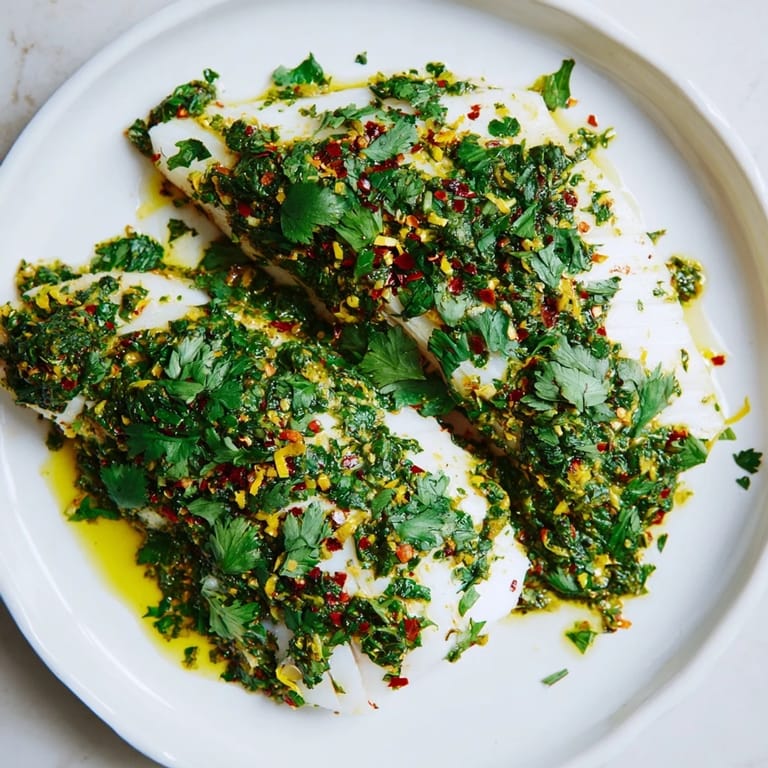
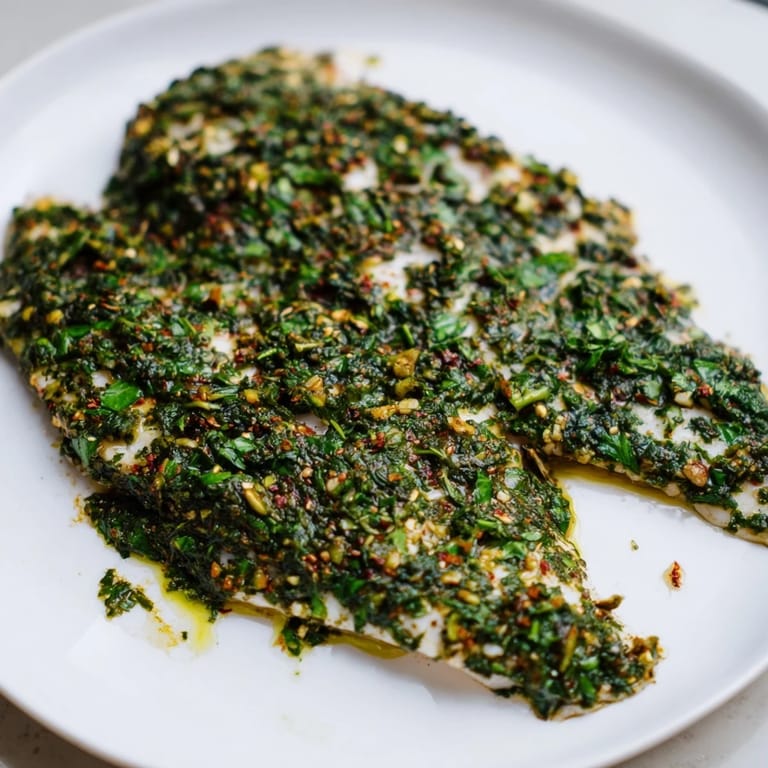
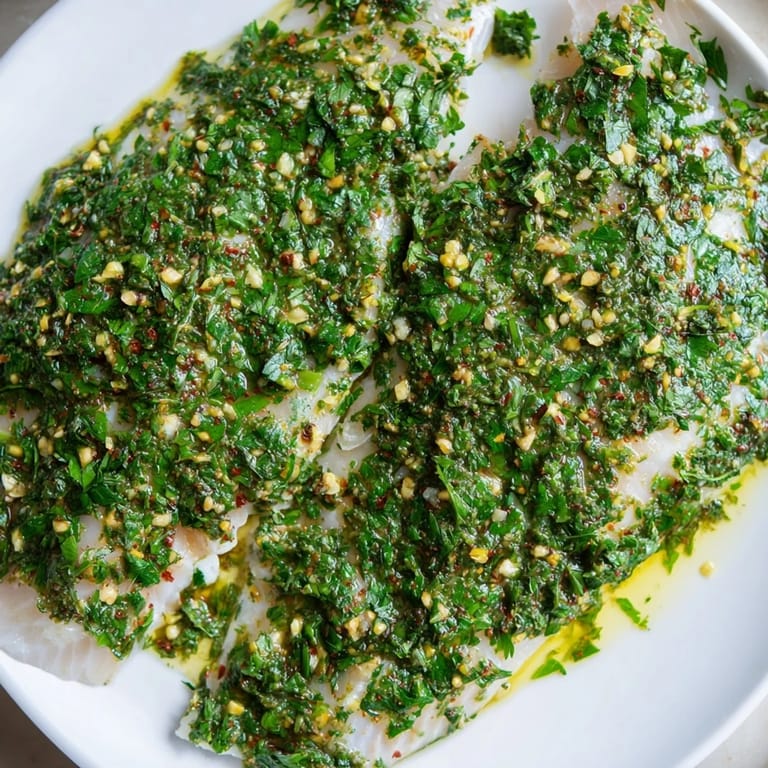
- Coat your fish generously with this marinade, making sure it gets into any crevices and under the skin if possible. Cover and refrigerate for 30 minutes to 2 hours before cooking—longer isn't better, as the acid will start to denature the proteins too much.
 Pin it
 Years later, I realized that chermoula is less about following a recipe perfectly and more about understanding that the herbs, the spices, and the oil are having a conversation. You're just introducing them politely and letting them get to know each other. That's when cooking stopped feeling like a task and started feeling like something I could trust.
How to Marinate Like You Mean It
The best part about chermoula is that it works with almost any protein, which means you can build an entire meal around it without thinking too hard. I've marinated white fish, salmon, shrimp, even chicken and roasted vegetables when friends showed up expecting dinner. The technique is always the same: coat generously, don't overthink it, and give it just enough time in the cold to let the flavors settle. It's the kind of marinade that rewards confidence over caution.
Why This Tastes Like a Place You've Never Been
Chermoula carries the story of North Africa in every spoonful—the trade routes that brought cumin and coriander from distant lands, the gardens where cilantro and parsley grow wild, the Mediterranean sun that ripened lemons to their most golden. When you make it at home, you're not just flavoring fish; you're holding history in your hands and choosing to share it. That's what makes this marinade feel like more than just a condiment.
Making It Your Own
I learned early that recipes are suggestions, not rules—at least not in my kitchen. Some people swear by adding a pinch of saffron for luxury, or a touch of honey to balance the heat. Others blend everything into a smooth paste, while I prefer the texture of hand-chopped herbs that catch the light. The beauty of chermoula is that it's forgiving enough to survive your preferences without losing its soul.
- If you can't find sweet paprika, smoked paprika works but will shift the flavor toward something deeper and less delicate.
- A food processor makes a smoother marinade in under a minute if texture matters to you, though hand-chopping preserves more of the herbs' fresh intensity.
- Keep extra marinade in the fridge for up to 3 days to spoon over cooked fish or add to couscous as a finishing touch.
 Pin it
 This marinade taught me that sometimes the most meaningful meals come from the simplest preparations—just good ingredients treated with respect and attention. That's really all any of us are trying to do when we cook for people we care about.
Recipe FAQs
- → What types of fish work best with this marinade?
White fish like cod, snapper, and sea bass absorb the bright, fresh flavors exceptionally well.
- → Can this blend be used with other proteins or vegetables?
Yes, it complements chicken and a variety of grilled or roasted vegetables for a flavorful kick.
- → How long should the marinade sit before cooking?
Marinate fish for 30 minutes to 2 hours in the refrigerator to allow flavors to deepen without overpowering.
- → Is there a way to make the marinade smoother?
Blending the ingredients in a food processor creates a finer, more uniform texture ideal for even coating.
- → How can the heat level be adjusted?
Reducing or omitting the cayenne pepper will soften the spice, while adding more increases the heat.