 Pin it
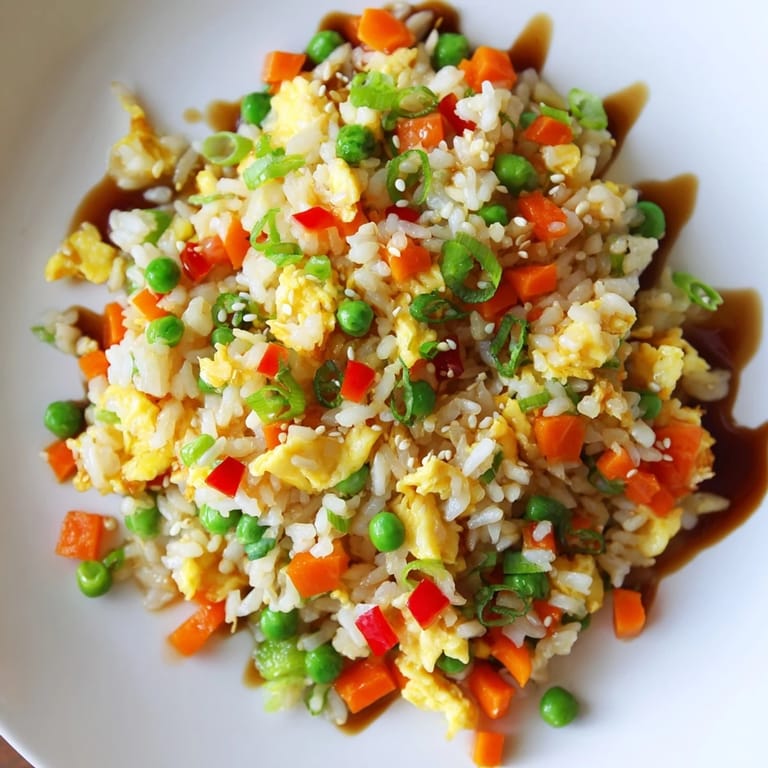
 There's something about the sound of rice hitting a hot wok that makes me feel like I'm actually cooking something worthwhile, even when I'm just using leftovers from last night's takeout order. I discovered egg fried rice on a Tuesday evening when my fridge was practically empty except for cold rice and a couple of eggs, and somehow that accident turned into one of my most reliable go-to meals. Now whenever I have rice sitting around, I know exactly what to do with it, and somehow it always tastes better than the restaurant version.
I made this for my roommate once when she came home exhausted from a double shift, and watching her face light up at a bowl of something hot and flavorful felt like I'd performed actual magic with eggs and rice. She asked for the recipe that same night, and I realized it wasn't some secret technique—it was just paying attention to how the pan sounds, when the rice separates, and knowing when to stop so nothing gets overdone.
Ingredients
- Leftover rice (2 cups, preferably day-old and cold): Cold rice is essential because the grains stay separate instead of clumping together; if you only have warm rice, spread it on a plate for a few minutes to cool it down.
- Large eggs (2): Beat them gently before cooking so they scramble into soft, delicate pieces rather than rubbery chunks.
- Carrots (1/2 cup diced): Cut them small so they soften quickly and distribute flavor throughout without slowing down the cooking.
- Frozen peas (1/2 cup, thawed): Thaw them beforehand so you're not introducing cold temperature back into the pan and disrupting your cooking rhythm.
- Scallions (1/4 cup chopped): Split this between cooking and garnish; the cooked portion mellows out while the fresh garnish at the end adds a sharp, bright note.
- Bell pepper (1/2 cup diced, optional): This adds sweetness and color, but honestly the dish works perfectly fine without it if you don't have one.
- Soy sauce (2 tablespoons): Use whatever version you prefer, but taste as you go because saltiness varies by brand.
- Sesame oil (1 teaspoon): This small amount adds an incredible depth that makes people ask what your secret ingredient is.
- White or black pepper (1/4 teaspoon): Finish with a crack of fresh pepper if you have it; it makes a real difference compared to shaking from a container.
- Vegetable oil (2 tablespoons): Any neutral oil works; the key is having enough heat to actually get things moving in the pan.
Tired of Takeout? 🥡
Get 10 meals you can make faster than delivery arrives. Seriously.
One email. No spam. Unsubscribe anytime.
Instructions
- Get everything ready first:
- Dice your vegetables into small, uniform pieces so they cook evenly and look intentional on the plate. Beat the eggs in a bowl with just a splash of water or soy sauce, and make absolutely sure your rice is broken up and not clumpy before you start heating the pan.
- Cook the eggs until barely set:
- Heat a tablespoon of oil until it shimmers, then pour in the eggs and let them sit for just a few seconds before scrambling gently. You want soft, custard-like pieces, not brown and crumbly bits.
- Sauté the sturdy vegetables:
- Wipe out the pan, add the remaining oil, then toss in the carrots and bell pepper. Let them get tender for a couple of minutes, listening for that gentle sizzle that tells you they're caramelizing slightly.
- Add the quick-cooking vegetables:
- Throw in the peas and half the scallions, stirring constantly for about a minute until everything smells alive and fragrant.
- Break up and toast the rice:
- Add the cold rice and use your spatula to break apart any clumps, scraping along the bottom of the pan. You want to hear the rice moving around freely for two to three minutes until it's heated through and some grains start to take on a slight golden color.
- Season and combine:
- Drizzle the soy sauce and sesame oil over everything, tossing constantly so every grain gets coated. The pan should smell absolutely incredible at this point.
- Bring it all together:
- Return the eggs to the pan and fold everything together for about a minute, tasting as you go and adjusting the pepper and salt if needed.
- Finish and serve:
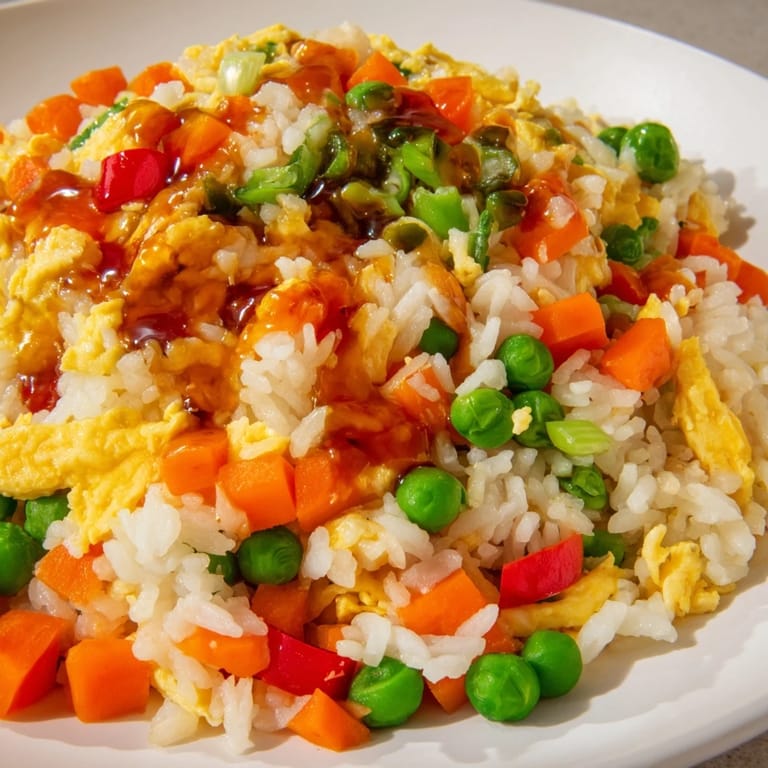
- Turn off the heat, sprinkle the remaining scallions on top, and serve while everything is still steaming hot.
 Pin it
 There was a moment when my partner tried this for the first time and said, 'This is the thing you make when you actually care about dinner but don't have time to care about dinner,' and I think that perfectly captures why this recipe has become such a permanent fixture in my rotation. It's the dish that proved to me that good food doesn't require fancy ingredients or hours of work, just attention and the right order of operations.
Ways to Make It Your Own
The beauty of fried rice is that it's a framework, not a formula, so don't hesitate to swap vegetables based on what's actually in your crisper drawer. Corn, snap peas, broccoli florets, mushrooms, or even leftover roasted vegetables all work beautifully, as long as you cut them small so they cook in the same amount of time.
Protein Options
If you want this to feel more substantial, add cooked chicken, shrimp, or tofu to the mix; just toss it in with the vegetables so it gets warm and slightly caramelized. For extra savory depth, add a pinch of minced garlic or fresh ginger when the carrots hit the pan—it transforms the whole flavor profile without making the recipe more complicated.
Serving Suggestions and Storage
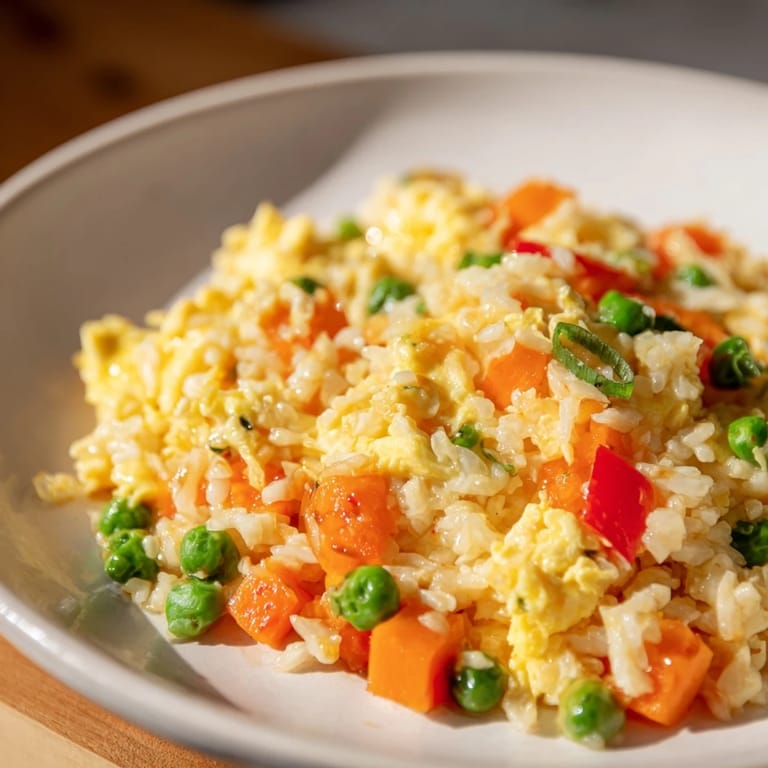
Serve this hot with a cold drink on the side—green tea or a crisp white wine if you're in that mood. Leftovers keep beautifully in the fridge for a couple of days and actually taste even better because the flavors have time to get to know each other.
- Heat leftovers gently in a skillet with a splash of water to revive the rice texture instead of nuking them in the microwave, which can make everything dry.
- Double the batch if you're cooking for more people, but don't try to make massive quantities in a regular pan—it'll steam instead of fry.
- Garnish with extra scallions and a drizzle of sesame oil every single time, even if you think you're being too generous.
 Pin it
 This recipe taught me that the simplest meals are often the ones that stick around longest in your cooking rotation. There's something reassuring about knowing you can make something delicious in twenty minutes that tastes like actual care went into it.
Recipe FAQs
- → What type of rice works best?
Day-old, cold cooked rice is ideal as it prevents clumping and ensures a fluffy texture.
- → Can I add other vegetables?
Yes, vegetables like corn, snap peas, or broccoli can be used based on preference and availability.
- → How do I prevent eggs from overcooking?
Scramble eggs quickly over medium-high heat until just set, then remove from the pan before combining with other ingredients.
- → What oils are recommended for stir-frying?
Vegetable oil is preferred for its neutral flavor, while sesame oil is added later for aroma and taste.
- → Are there protein alternatives to eggs?
Adding cooked chicken, shrimp, or tofu boosts protein and complements the vegetable mix well.