 Pin it
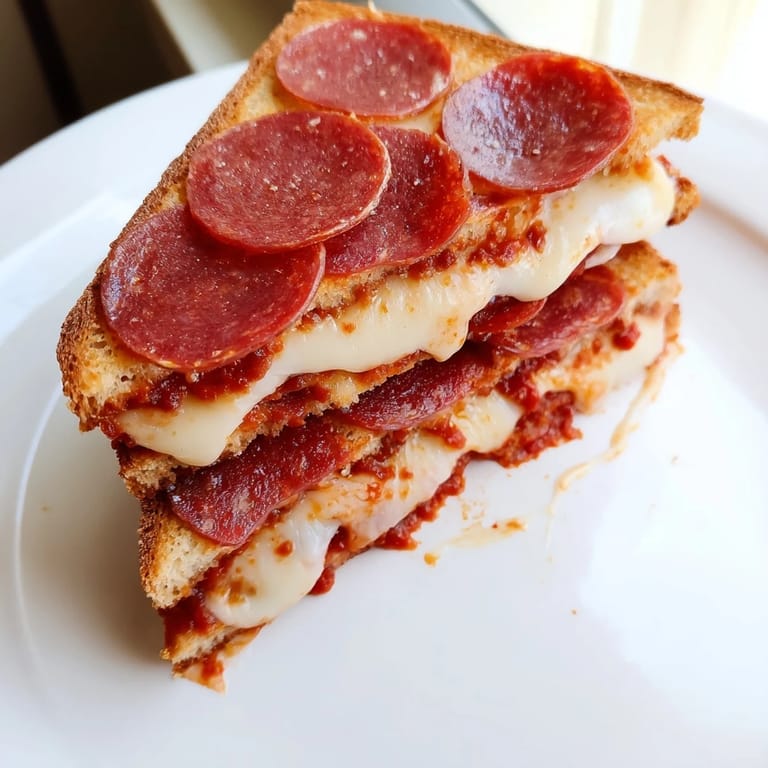
 There's something magical about the moment when marinara sauce hits melted cheese in a hot skillet, and that's exactly what drew me to create this pizza grilled cheese. I was standing in my kitchen one weeknight, staring at leftover pepperoni and fresh mozzarella, thinking how pizza and grilled cheese were basically distant cousins waiting to reunite. The result was so ridiculously good that I've made it at least once a week since, and it's become the sandwich I crave when I want comfort without the fuss.
I served this to my roommate on a random Tuesday, and watching their face light up when they bit into the gooey, saucy center told me everything I needed to know. They went back for a second one before I'd even finished mine, and that's when I knew this wasn't just a fun kitchen experiment—it was something special worth sharing.
Ingredients
- Italian bread or sourdough (4 slices): A sturdier bread holds up better to the heat and sauce than regular sandwich bread, and the slight tang of sourdough plays beautifully with the marinara.
- Mozzarella cheese (4 oz, sliced or shredded): Fresh or pre-sliced both work, though fresh tends to melt more luxuriously—just pat it dry first to avoid excess moisture.
- Pepperoni (12–16 slices): Good quality pepperoni makes a real difference here; cheap versions can turn greasy and rubbery under heat.
- Marinara sauce (1/4 cup, plus extra): Use your favorite jar or homemade—this is where the pizza magic comes in, so don't skimp on quality.
- Unsalted butter (2 tbsp, softened): Softened butter spreads evenly and toasts the bread to that perfect golden-brown without burning.
Tired of Takeout? 🥡
Get 10 meals you can make faster than delivery arrives. Seriously.
One email. No spam. Unsubscribe anytime.
Instructions
- Prep your bread:
- Lay out all four slices and spread softened butter thinly on one side of each. This is your insurance policy against a dry sandwich, and soft butter spreads like a dream—don't try this with cold butter from the fridge.
- Build the base:
- Place two slices butter-side down on your work surface, then spread 1–2 tablespoons of marinara on the unbuttered side of each. The sauce should coat evenly but not pool up.
- Layer the magic:
- Spread mozzarella over the sauce on each slice, then fan out your pepperoni on top. I arrange them slightly overlapping for maximum coverage and flavor.
- Close it up:
- Top each sandwich with a buttered slice, making sure the butter faces outward—this is what creates that gorgeous golden crust.
- Heat your cooking surface:
- Get your skillet or griddle to medium heat; you want it hot enough to toast bread but not so violent that the outside burns before the cheese melts.
- Cook with intention:
- Place both sandwiches in the pan and cook for 3–4 minutes per side, pressing down gently with a spatula only once or twice. Listen for the sizzle—it's your cue that the butter is doing its job.
- Rest and serve:
- Let each sandwich rest for just one minute after flipping to its final side, then transfer to a cutting board. A diagonal slice not only looks prettier but somehow makes it taste better too.
- The dipping moment:
- Serve with extra marinara sauce on the side for dunking, which I consider non-negotiable.
 Pin it
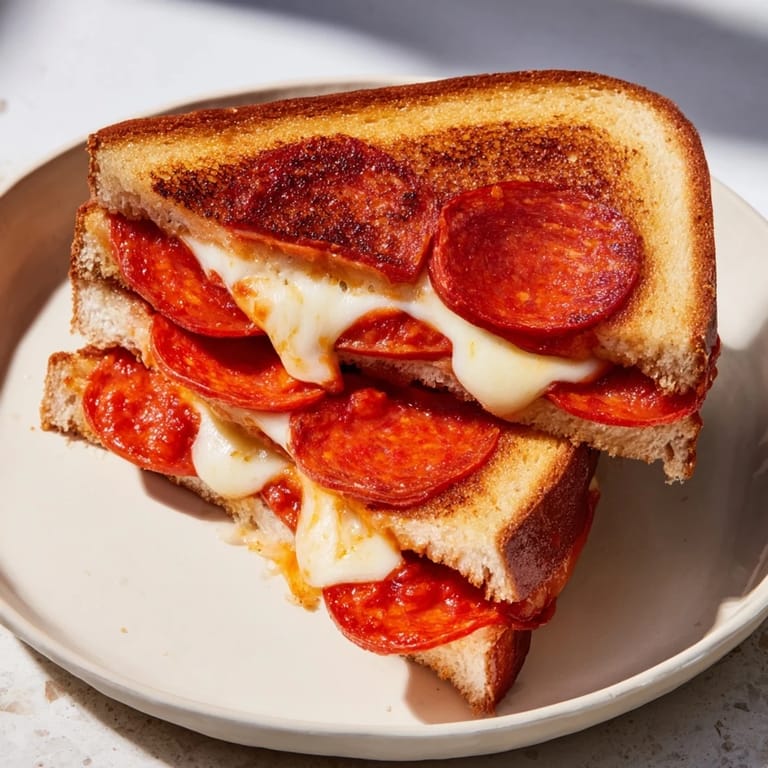
 There's a window of about thirty seconds after this sandwich comes out of the pan where the cheese is at peak meltiness, and if you manage to eat it right then, you understand why this dish has become my go-to for lunch, dinner, or that undefined meal at 11 p.m. That's when it stops being just a sandwich and becomes pure comfort.
Why Pepperoni Matters Here
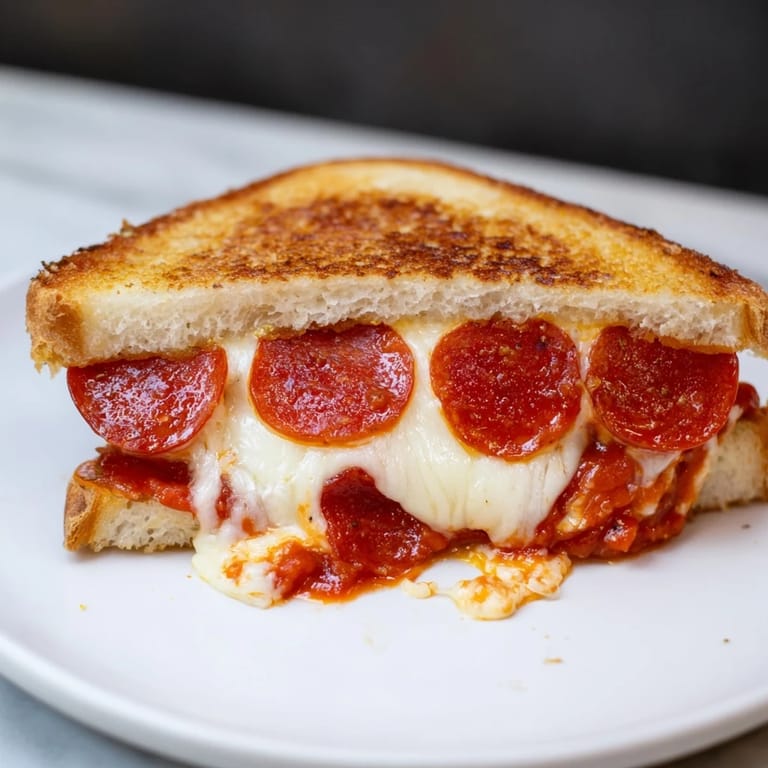
Pepperoni isn't just a toppingin this recipe—it's a textural component that adds crispy edges and savory depth you don't get from cheese alone. When it hits the hot skillet, the edges curl and crisp up slightly, releasing oils that infuse the whole sandwich with a richness that tastes far more luxurious than the five ingredients suggest.
The Sauce-to-Bread Ratio Question
I've experimented with anywhere from 2 tablespoons to 3 tablespoons of sauce per sandwich, and there's a real sweet spot that depends on how absorbent your bread is. Thicker, denser breads can handle more sauce, while lighter breads get soggy quickly—start conservative and adjust based on what you have on hand.
Customizations That Actually Work
Once you nail the basic version, the variations practically suggest themselves. I've added sautéed mushrooms, roasted red peppers, and even a pinch of Italian seasoning inside with excellent results, and each one transforms the sandwich into something slightly different while keeping that core grilled cheese-meets-pizza magic intact.
- For a vegetarian version, swap the pepperoni for sun-dried tomatoes or caramelized onions and you lose nothing in flavor.
- A tiny sprinkle of red pepper flakes before the top slice closes adds a sophisticated heat that guests always ask about.
- If you're feeling fancy, use a fontina or provolone blend instead of straight mozzarella for deeper, more complex flavor.
 Pin it
 This sandwich has quietly become one of my favorite things to make, not because it's fancy or complicated, but because it delivers such genuine satisfaction every single time. If you try it once, I'm betting it won't be your last.
Recipe FAQs
- → What type of bread works best?
Italian bread or sourdough provides the ideal texture and flavor, holding up well to the fillings and toast.
- → Can I substitute the pepperoni?
Yes, turkey or vegetarian pepperoni are great alternatives to suit different dietary preferences.
- → How do I prevent the sandwich from becoming soggy?
Spreading butter on the outside and toasting the sandwich over medium heat helps achieve a crisp crust that prevents sogginess.
- → What are good additions to enhance flavor?
Adding Italian seasoning, sautéed mushrooms, or bell peppers can add depth and variety to the flavors.
- → What should I serve with this dish?
Pairing with extra marinara for dipping or a light Italian red wine complements the rich, savory flavors well.