 Pin it
 There's something about the smell of mushrooms hitting hot butter that stops you mid-conversation. I learned to make risotto on a rainy Tuesday when my roommate decided vegetarian cooking wasn't boring, she just hadn't made it right yet. That first batch was creamier than I expected, and I realized the secret wasn't technique, it was patience—the kind that rewards you with something genuinely luxurious from your stovetop.
I made this for my mom's book club once, and she asked for the recipe before they'd even finished eating. The way everyone quieted down was telling—risotto has this quiet power that makes people slow down and actually taste their food. I've been making it ever since, and it's become my most requested dish.
Ingredients
- Arborio rice: This short-grain Italian rice releases starch as it cooks, creating creaminess without cream—don't substitute long-grain rice or you'll miss the whole point.
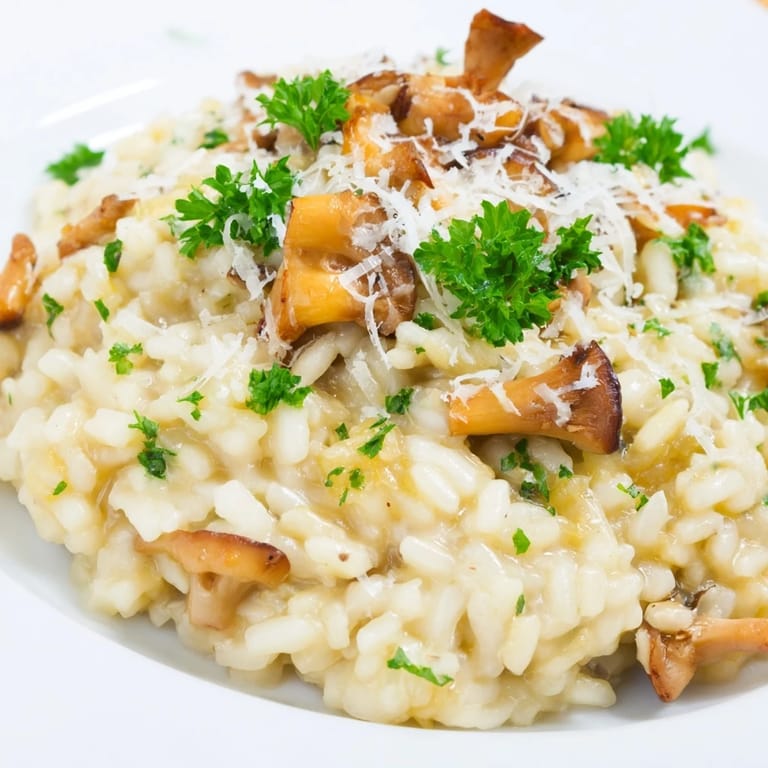
- Cremini or button mushrooms: Start with these, but once you're confident, explore oyster or porcini mushrooms for deeper flavor.
- Olive oil and butter: Use them together to prevent the butter from burning while maintaining that rich taste.
- Yellow onion and garlic: The aromatic foundation—mince them finely so they dissolve into the dish rather than surprise you mid-bite.
- Vegetable broth: Keep it warm the entire time; cold broth stops the cooking process and ruins the texture.
- Dry white wine: The acidity cuts through richness and adds complexity—cheap wine makes cheap risotto.
- Parmesan cheese: Grate it fresh, not from a can; the difference is immediate and undeniable.
- Salt and black pepper: Season in layers, tasting as you go—risotto can hide salt better than most dishes.
Tired of Takeout? 🥡
Get 10 meals you can make faster than delivery arrives. Seriously.
One email. No spam. Unsubscribe anytime.
Instructions
- Sear the mushrooms until golden:
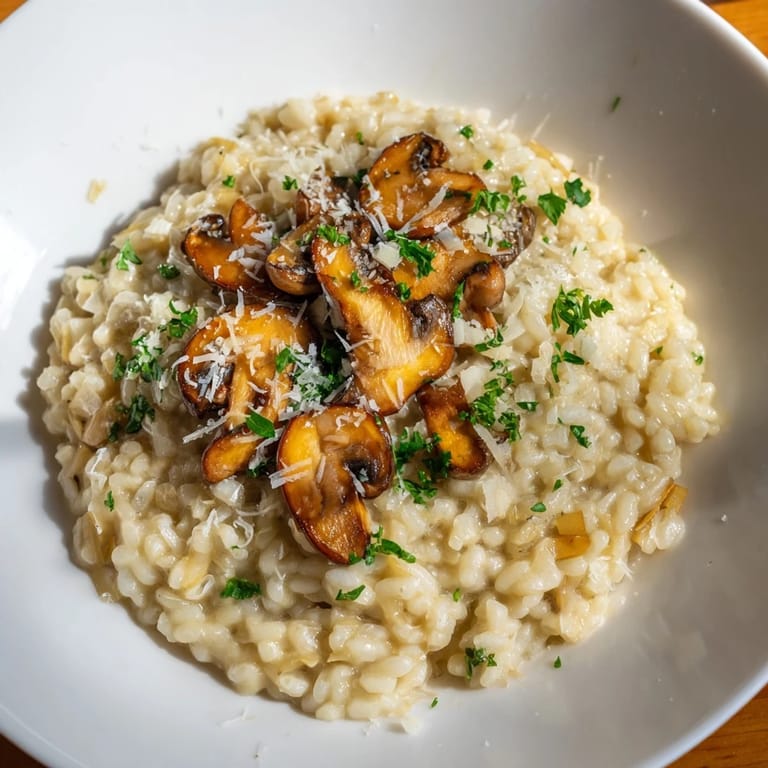
- Heat the oil and butter together until the butter foams, then add mushrooms in a single layer. Don't stir immediately; let them sit and caramelize for 3 minutes, then stir until they're golden and any liquid has evaporated. This concentrates their earthy flavor.
- Build the aromatic base:
- In the same pan, soften the onion until translucent, then add garlic and cook just until fragrant—you want to wake it up, not brown it.
- Toast the rice:
- Stir the Arborio rice constantly for about 2 minutes until the grains smell nutty and the edges turn translucent. This toasting step is easy to skip but shouldn't be—it creates structure for the creamy finish.
- Add the wine and let it absorb:
- Pour in the white wine and stir until the liquid is mostly absorbed and you can smell the acidity softening. This usually takes 2-3 minutes.
- Add broth one ladle at a time:
- This is where patience becomes essential. Add a ladle of warm broth, stir frequently, and wait until most of the liquid is absorbed before adding more. The constant stirring releases starch from the rice, which creates creaminess—don't skip this step or use a timer instead of your eyes.
- Finish with butter, cheese, and mushrooms:
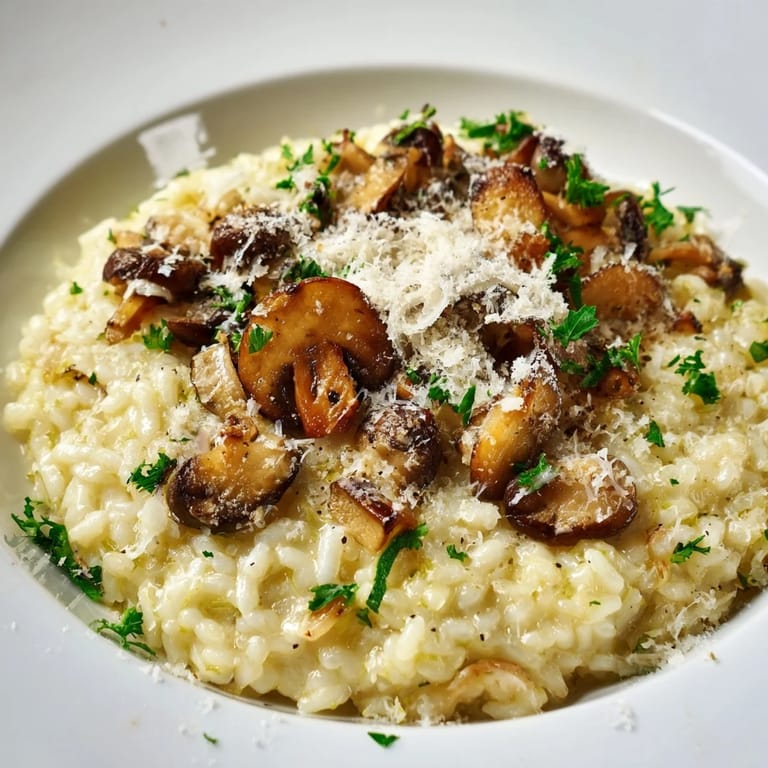
- When the rice is creamy and al dente (tender but with a slight firmness to the bite), turn off the heat and stir in the reserved mushrooms, butter, and Parmesan cheese. Let it sit for 30 seconds, then taste and adjust seasoning.
 Pin it
 I once brought this to a potluck where someone had made risotto that tasted like wallpaper paste, and I finally understood why some people claimed risotto was difficult. Mine poured like lava and tasted like butter and earth and umami all at once. That's when I realized risotto isn't about complexity—it's about respecting the process.
Why Mushrooms Matter Here
Mushrooms in risotto aren't a garnish; they're the point. As they sauté, their moisture releases and then evaporates, leaving behind concentrated umami that anchors the entire dish. I've made risotto with and without mushrooms, and the difference is the difference between a nice rice dish and something you'll actually crave. The earthiness of cremini mushrooms speaks the same language as Parmesan cheese and wine—they're old friends in your pan.
The Stirring Ritual
The first time I made risotto, I thought the constant stirring was torture. Now I know it's the opposite—those 20 minutes of stirring are a conversation between your hand and the rice. You feel when the texture is shifting, when the broth is being absorbed, when the dish is asking for more heat or less. It becomes intuitive, not mechanical. Some of my best thinking happens at this stove.
Make It Your Own
Once you understand how risotto works, it becomes a framework for creativity. I've made versions with truffle oil swirled in at the end, versions with fresh thyme stirred through, versions where I sautéed leeks instead of mushrooms. The foundation never changes, but the destination can look different every time.
- Try adding fresh thyme or a bay leaf when you're sautéing the mushrooms for herbal depth.
- Stir in a teaspoon of truffle oil or a generous pinch of saffron at the very end for unexpected luxury.
- Finish with a crack of lemon zest if your mushrooms feel too heavy and you want brightness.
 Pin it
 Risotto is one of those dishes that tastes like you've been cooking all afternoon, even though you haven't. That's the kind of magic worth learning once and enjoying forever.
Recipe FAQs
- → What type of rice is best for this dish?
Arborio rice is ideal due to its high starch content, which lends a creamy texture when cooked slowly with liquid.
- → Can I use different kinds of mushrooms?
Yes, wild mushrooms or a mix of cremini and button mushrooms work well to add depth and flavor.
- → How do I achieve the creamy consistency?
Gradually add warm broth, stirring frequently and allowing the rice to absorb the liquid before adding more.
- → Is it necessary to use white wine?
White wine enhances flavor and acidity but can be omitted or replaced with additional broth if preferred.
- → What garnishes complement this dish?
Fresh parsley and extra grated Parmesan cheese add freshness and a savory finish.