 Pin it
 There's something about the smell of carrots caramelizing in the oven that stops me cold every time—it fills the kitchen with this warm, almost toasty sweetness that makes everyone wander in asking what's cooking. The first time I made maple mustard carrots, I was honestly just trying to dress up a simple vegetable side, but the way the maple and mustard played together, getting sticky and jammy at the edges, turned what could have been forgettable into something people actually remembered. Now it's one of those dishes I reach for when I want something that feels a little special without any fuss.
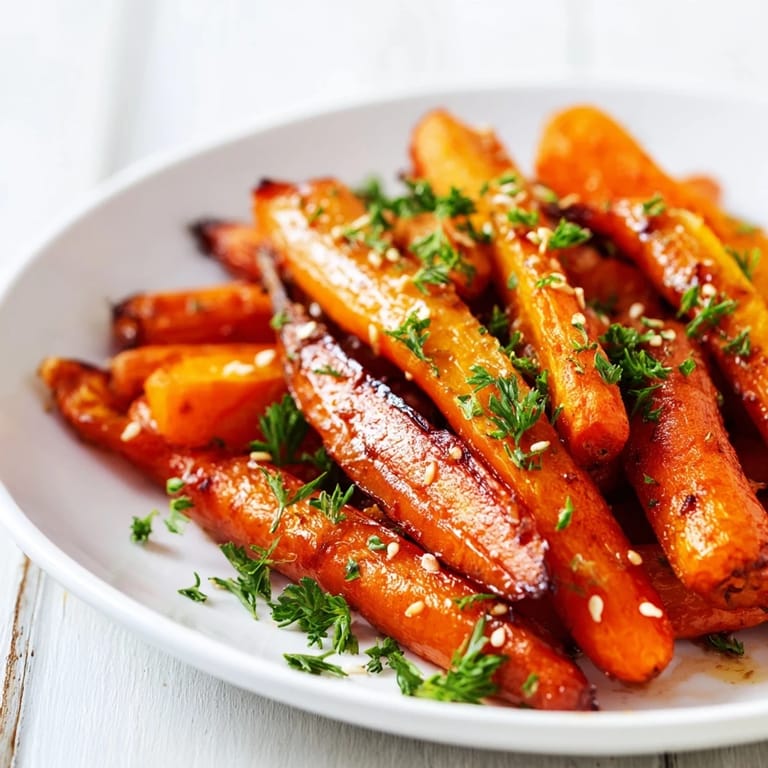
I remember making these for a small dinner party where someone brought a roasted chicken, and instead of the carrots being a quiet side dish, they somehow became the thing everyone asked about. The glaze had gotten just sticky enough, with those caramelized edges catching the light, and my friend actually asked for the recipe mid-bite. That's when I realized it wasn't just about roasting carrots well—it was about trusting that simple, honest flavors layered together could be genuinely delicious.
Ingredients
- Carrots (1 lb, peeled and cut into sticks or rounds): Choose medium carrots when you can—they cook more evenly than thick ones and still stay tender without turning mushy. I like cutting them into sticks for a rustic feel, but rounds work just as well if you want something neater on the plate.
- Pure maple syrup (2 tbsp): This isn't the time to use the imitation stuff; real maple syrup has a depth that actually caramelizes and sticks to the carrots, creating those glossy, jammy edges that make people pause.
- Dijon mustard (1 tbsp): The sharp, slightly grainy texture cuts through the sweetness and keeps the glaze from feeling cloying—it's the secret ingredient that makes people wonder what you added.
- Olive oil (1 tbsp): This helps everything coat evenly and contributes to that golden caramelization.
- Apple cider vinegar (1 tsp): A small splash that adds brightness and helps the glaze cling better to the carrots.
- Sea salt and freshly ground black pepper: Season generously; the salt draws out the carrot's natural sweetness, and pepper adds a subtle warmth.
- Fresh parsley and toasted sesame seeds (optional garnish): The parsley adds a pop of color and freshness, while sesame seeds give you a little crunch and nuttiness that elevates the whole thing.
Tired of Takeout? 🥡
Get 10 meals you can make faster than delivery arrives. Seriously.
One email. No spam. Unsubscribe anytime.
Instructions
- Heat your oven and prep:
- Set the oven to 425°F and line a baking sheet with parchment paper—this step matters because it keeps everything from sticking and makes cleanup almost effortless. You want the oven hot so the carrots get those caramelized edges rather than just steaming.
- Build the glaze:
- In a bowl, whisk together the maple syrup, Dijon mustard, olive oil, apple cider vinegar, salt, and pepper until everything's combined and the mustard is no longer lumpy. Taste it straight from the bowl—it should taste tangy-sweet and a little punchy, not one-note.
- Coat the carrots:
- Add your cut carrots to the bowl and toss them around until every piece is glossy and coated, using your hands if you need to—there's no precision required here, just make sure nothing's left dry at the bottom.
- Spread and roast:
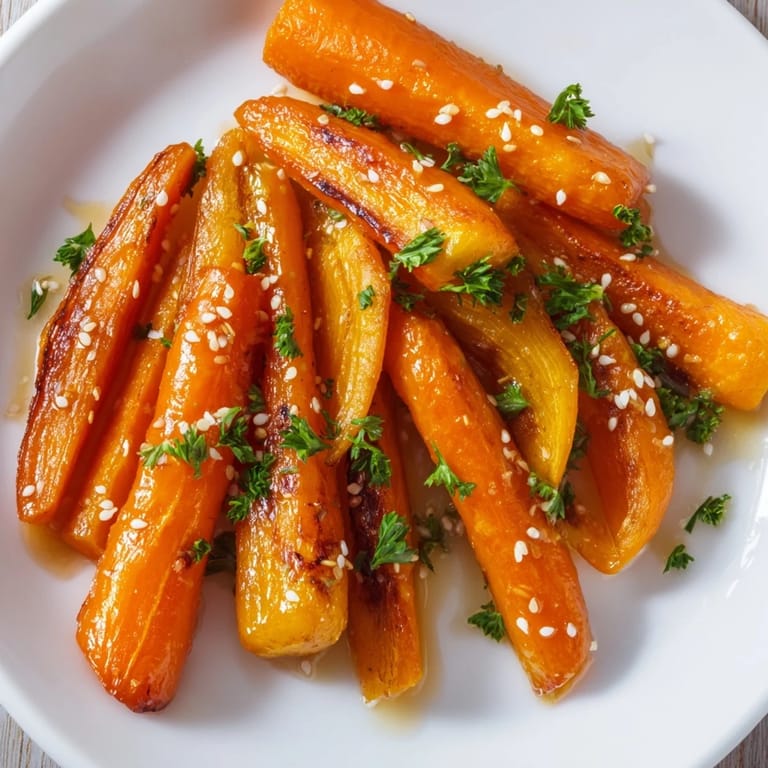
- Lay the carrots in a single layer on the sheet and slide them into the hot oven for about 25 to 30 minutes, giving them a gentle stir halfway through so they caramelize evenly on both sides. You'll know they're done when they're fork-tender and the edges have turned a deep golden-brown.
- Finish and serve:
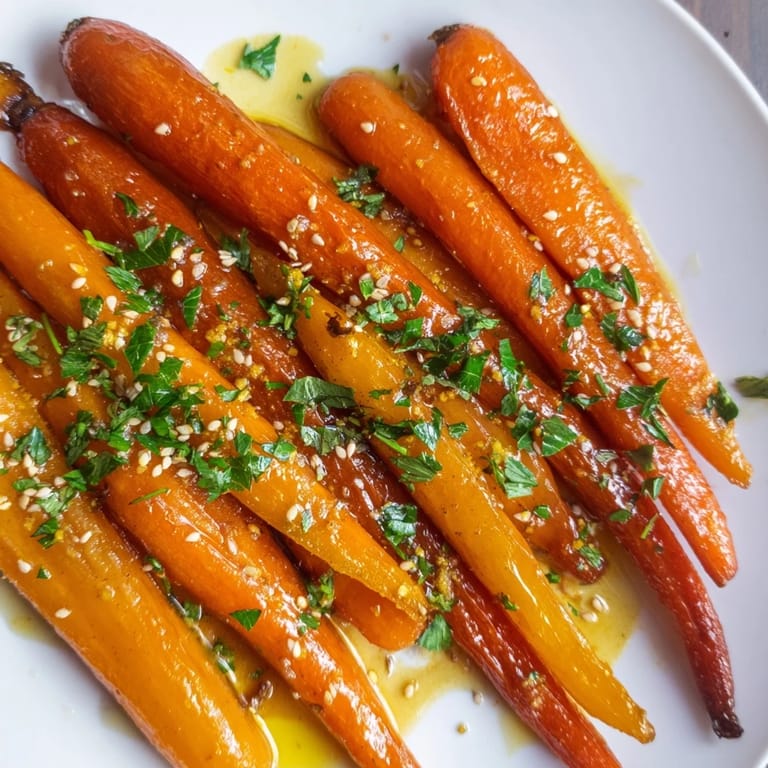
- Transfer them to a serving plate, sprinkle with fresh parsley and toasted sesame seeds if you're using them, and serve while they're still warm so the glaze has that sticky, jammy quality.
 Pin it
 What struck me most about this dish is that it transformed how my kids see carrots—something shifted when they realized roasted vegetables could actually taste sweet and interesting. Now it's become one of those quiet victories in the kitchen, the kind where you're feeding people real food and they're genuinely happy about it.
Why the Oven Temperature Matters
I used to roast vegetables at 400°F out of habit, but bumping it up to 425°F made a real difference here. The higher heat creates that beautiful caramelization on the carrot edges while keeping the inside tender, rather than just roasting everything evenly without any color. It's one of those small adjustments that sounds minor but actually changes how the dish tastes and feels.
Playing with the Glaze
One rainy afternoon I ran out of maple syrup and grabbed honey instead, and honestly, it was just as good—a little lighter and more floral, but the mustard-vinegar balance kept it interesting. The beauty of this glaze is that it's flexible enough to work with what you have, as long as you keep that sweet-tangy-savory balance in mind. I've also added a tiny pinch of red pepper flakes when I wanted something with more edge, and it worked beautifully without overwhelming the carrots.
Storing and Reheating
These carrots are great the day they're made, but they also keep well in the fridge for a few days and actually taste fine cold, straight from a container. If you want to reheat them, just pop them back in a 325°F oven for about 10 minutes so they warm through gently without drying out. They're the kind of side dish that works just as well alongside tonight's roasted chicken as they do tucked into tomorrow's lunch bowl.
- Let them cool slightly before storing so condensation doesn't make them soggy.
- If they've dried out in the fridge, a tiny drizzle of fresh maple syrup brings back that glaze.
- Frozen carrots work if that's what you have, though fresh ones caramelize a bit more beautifully.
 Pin it
 These carrots have a way of making an ordinary table feel a little more intentional, like someone cared about the whole meal. They're my reminder that the most impressive dishes sometimes come from the simplest ingredients, treated with a little attention and warmth.