 Pin it
 There's something about the sharp brightness of lemon that stops me mid-thought—the way it cuts through a heavy meal like sunlight through clouds. Years ago, I watched a friend's grandmother slide a glossy lemon tart onto a spring table, its golden crust catching the late afternoon light, and I understood why this dessert has been perfected across generations. The filling wobbled slightly as she set it down, and everyone leaned forward. That moment taught me that the best desserts aren't just sweet; they're architectural, balanced, alive.
I once brought this tart to a potluck where someone had already made dessert—brownies, heavy and earnest—and watching people choose a slice of my lemon tart instead taught me confidence in simplicity. The filling's wobble as it cooled was exactly right, and the powdered sugar dusting caught on everyone's forks like snow. That's when I stopped second-guessing my instincts and started trusting citrus.
Ingredients
- All-purpose flour (1 1/4 cups): The foundation of your crust—use it cold and don't overwork it, or you'll end up with dense pastry instead of tender flakes.
- Unsalted butter, cold and cubed (1/2 cup for crust): Cold butter is non-negotiable; if it warms, your crust will shrink and toughen as it bakes.
- Powdered sugar (1/4 cup): It dissolves into the dough, creating a silky texture that's almost impossible to achieve with granulated sugar alone.
- Fine sea salt (1/4 tsp): A tiny pinch that makes the butter taste more buttery and the lemon taste more lemony.
- Large egg yolk: The binding agent that holds everything together without making the crust heavy or tough.
- Ice water (2-3 tbsp): Keep it genuinely cold; warm water will activate gluten and ruin your tender crust.
- Eggs and egg yolks (3 large eggs and 2 large egg yolks): These create that silky, custard-like filling that's set but still trembles slightly when you shake the pan.
- Granulated sugar (1 cup): Balances the acidity of the lemon without overwhelming it—taste as you go if you prefer more tartness.
- Freshly squeezed lemon juice (2/3 cup): Bottled juice tastes metallic and flat; fresh juice is where the magic lives.
- Lemon zest (2 tsp): The bright, floral oils in the zest add complexity that juice alone cannot provide.
- Unsalted butter, melted and cooled (1/2 cup for filling): The cooling step matters—hot butter will scramble your eggs slightly and cloud your filling.
Tired of Takeout? 🥡
Get 10 meals you can make faster than delivery arrives. Seriously.
One email. No spam. Unsubscribe anytime.
Instructions
- Heat your oven and gather your mise en place:
- Preheat to 350°F (175°C) and lay out all your ingredients so you're not hunting for anything once you start. A small, organized station means fewer mistakes and less stress.
- Build the crust with your hands and a food processor:
- Pulse flour, powdered sugar, and salt together, then add cold butter cubes and pulse until the mixture looks like coarse breadcrumbs with pea-sized pieces of butter still visible—this is what creates those flaky layers. Add the egg yolk and a tablespoon of ice water, pulse gently, and add more water only if the dough still looks dry and won't hold together when squeezed.
- Rest the dough in the cold:
- Form it into a disk, wrap it in plastic, and let it sit in the refrigerator for 30 minutes if you have the time; this resting period lets the gluten relax so your crust won't shrink during baking. If you're in a hurry, even 15 minutes helps, but the full 30 is worth waiting for.
- Shape and blind-bake the crust:
- Roll the chilled dough out on a lightly floured surface until it's about 1/8 inch thick, then transfer it to your tart pan and press it gently into the corners and up the sides. Prick the base all over with a fork, line it with parchment paper, and fill it with pie weights or dried beans to prevent puffing, then bake for 15 minutes until set but not browned.
- Finish the crust so it's golden and crisp:
- Remove the weights and parchment, then bake for another 10 minutes until the crust is pale golden and looks baked through. Let it cool while you prepare the filling—a warm crust actually helps the filling set evenly.
- Whisk together the filling with intention:
- In a bowl, whisk eggs, egg yolks, sugar, fresh lemon juice, lemon zest, slightly cooled melted butter, and salt until completely smooth; the sugar should dissolve and the mixture should be pale and glossy. Taste it before it goes into the oven—if you want it brighter, you can add another squeeze of lemon juice, though be careful not to add so much liquid that it won't set properly.
- Pour and bake until the center jiggles just slightly:
- Pour the filling into your warm crust and bake for 20-25 minutes, checking at 20 minutes by gently shaking the pan; the edges should be set and the very center should still have a slight wobble, like a soft custard. If it's completely still, you've overbaked it and the texture will be rubbery instead of silky.
- Cool and chill with patience:
- Let the tart cool completely on a wire rack at room temperature, which takes about an hour, then refrigerate for at least 2 hours before slicing—this chilling time is when the flavors marry and the filling firms up to the perfect consistency. Trying to slice it warm will result in a mess; cold, it slices cleanly and looks elegant.
- Dust and serve with grace:
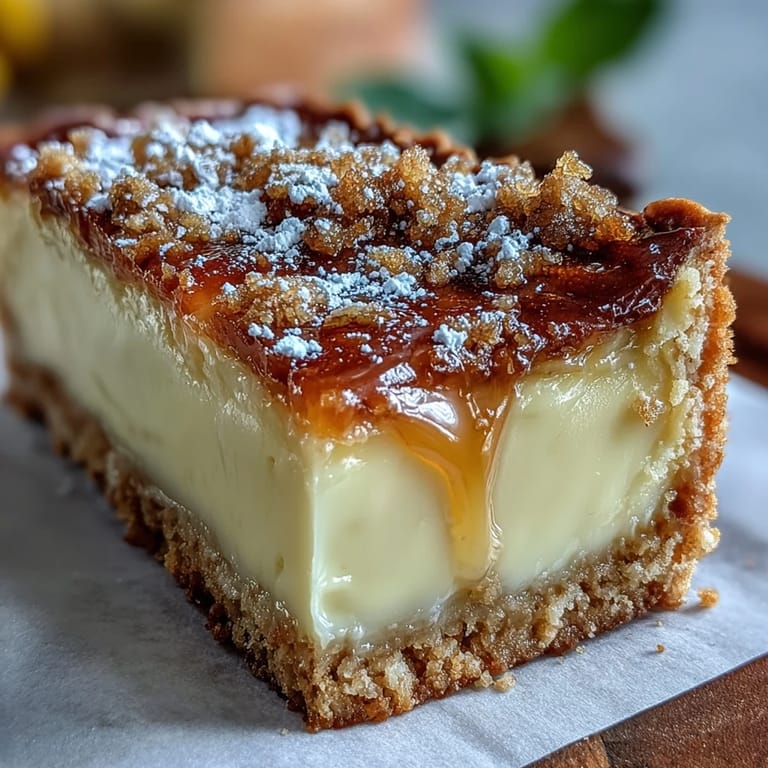
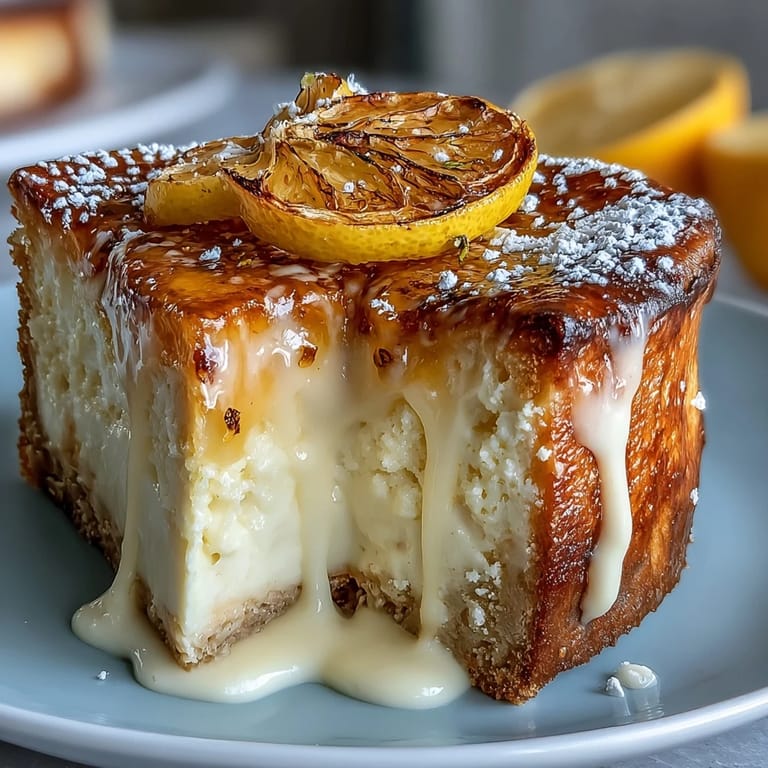
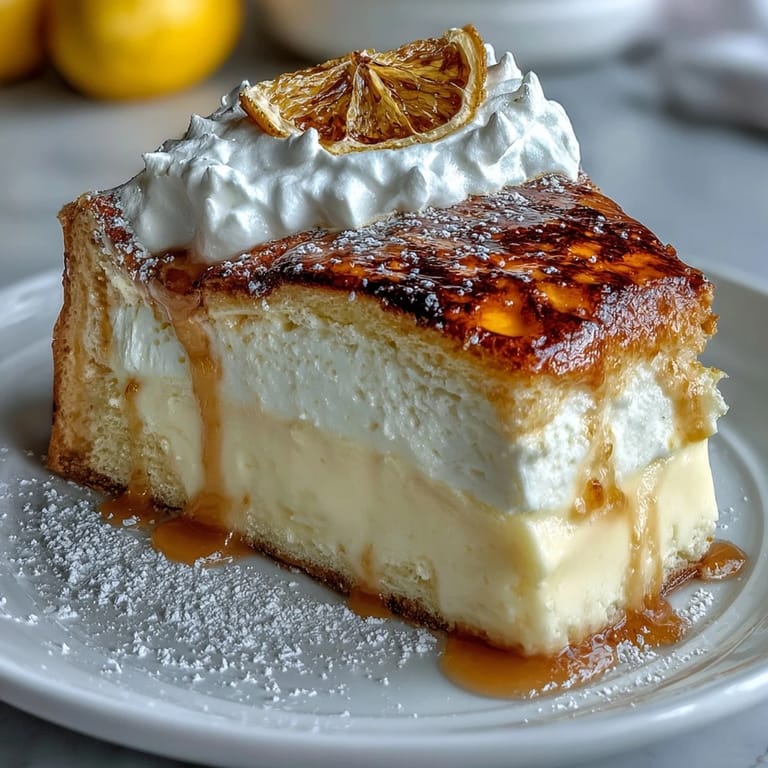
- Just before serving, dust with powdered sugar and add lemon slices, fresh berries, or mint if you like, though honestly, the tart is beautiful enough plain.
 Pin it
 I once served this tart to someone who said they didn't like lemon desserts, and they came back for a second slice without asking, drawn in by the way the sharp flavor seemed to dance with the buttery crust. That's when I realized this tart isn't about overpowering your palate—it's about balance, restraint, and letting each element taste exactly like itself.
The Crust That Changed Everything
The first time I made this tart, I overworked the dough because I was nervous, and it came out tough and dense—a lesson I won't forget. Now I understand that pastry dough is like a nervous person; the less you fuss with it, the better it turns out. A food processor makes this easier because the cold butter gets incorporated quickly and evenly without the warmth of your hands breaking it down.
Lemon Juice Versus Lemon Zest
There's a moment when you're zesting a lemon and you smell that bright, almost floral oil released from the peel—that's where half the flavor lives. Juice alone would make the filling taste sharp and one-dimensional, but juice plus zest creates layers; the zest brings texture and complexity that makes people pause and ask what makes this tart taste so good. I've learned to zest lemons before juicing them because it's so much easier, and honestly, watching those little curls of yellow peel fall into a bowl feels like capturing sunshine.
Serving and Pairing Suggestions
This tart is at its best with something cold and effervescent—a glass of chilled Sauternes or sparkling wine cuts through the richness of the butter and lets the lemon shine. A dollop of crème fraîche or whipped cream sounds indulgent, but it's not necessary; the tart is complete on its own, though I've never turned down whipped cream at a dinner party.
- Serve it at room temperature for the brightest flavor, or slightly chilled if your kitchen is very warm.
- This tart keeps beautifully covered in the refrigerator for up to three days, though it's best eaten within two days of baking.
- You can prepare the tart shell up to a day ahead, wrap it tightly, and store it at room temperature until you're ready to fill and bake.
 Pin it
 This tart has become my answer to that question everyone asks at dinner parties: what's your signature dessert? It never fails, it always impresses, and somehow it makes people slow down and actually taste their food. That's the real magic right there.
Recipe FAQs
- → How do I achieve a crisp buttery crust?
Use cold unsalted butter and pulse it with flour and powdered sugar until the mixture resembles coarse crumbs. Adding cold water gradually helps bind the dough without overworking it, resulting in a tender, flaky crust.
- → Can I substitute lemons with other citrus fruits?
Yes, blood orange or lime juice can be used in place of some or all of the lemon juice to create varied flavor profiles while keeping a bright citrus note.
- → How can I prevent the filling from cracking?
Bake the filling until just set with a slightly wobbly center to avoid cracks. Cooling gradually and chilling before serving also helps maintain a smooth texture.
- → Is it necessary to chill the dough before baking?
Chilling the dough firms the butter and allows gluten strands to relax, which prevents shrinking and improves the crust’s texture after baking.
- → What garnishes complement the tart best?
Light dusting of powdered sugar, thin lemon wheels, fresh berries, or mint leaves enhance the tart’s appearance and add fresh flavors.