 Pin it
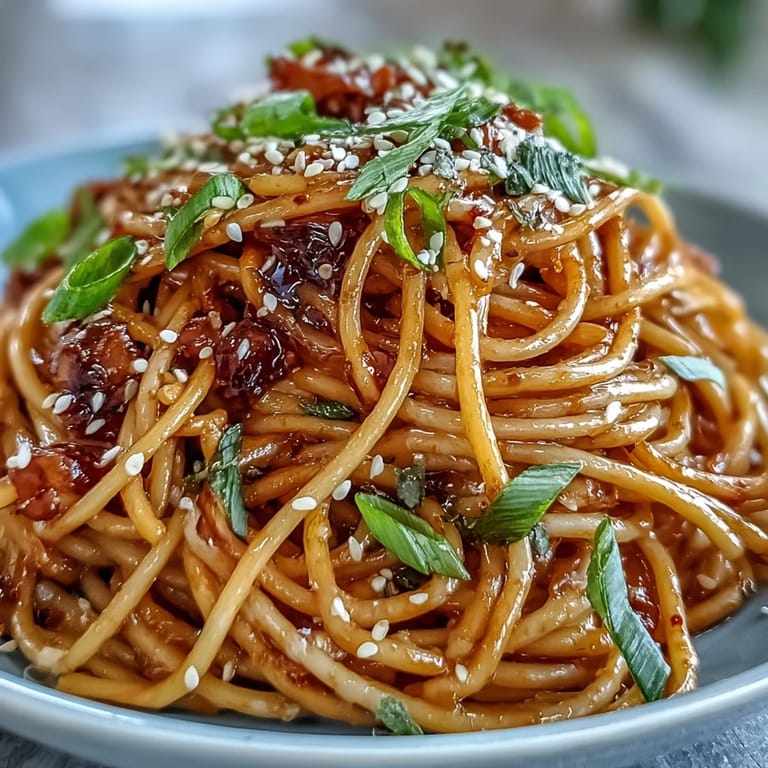
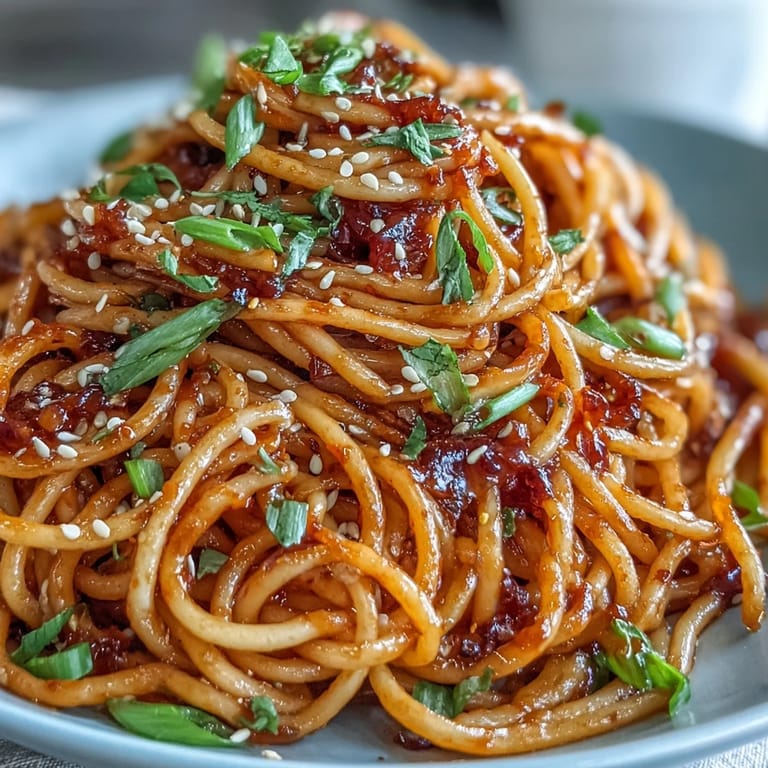
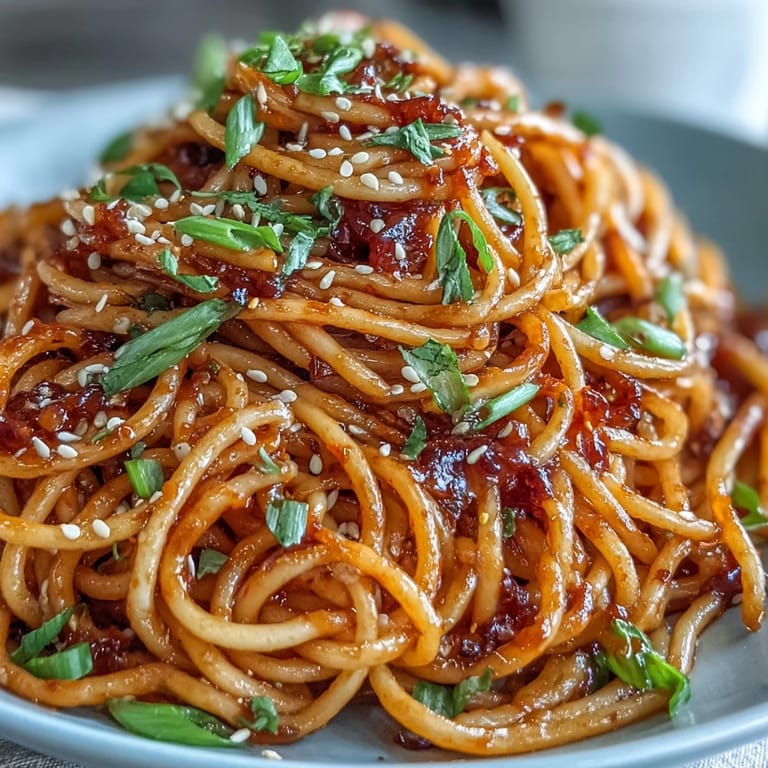
 My kitchen filled with a toasty, red-tinged aroma the first time I swirled gochujang into melting butter—an unlikely duo that immediately made sense on my stove. The sizzling garlic, sharp and sweet, popped as I stirred, and for a moment nothing else seemed to matter but finding the perfect balance between heat and creaminess. Only after the first forkful did I realize why this fusion has a cult following: the sauce slicked every strand of noodles with a silken, spicy hug. Sometimes a dish surprises not with complexity, but with how joyfully it makes you hungry as you cook. There’s nothing shy about this Korean-inspired pasta, and that’s precisely what I love about it.
One chilly Tuesday, I tossed this together for my sister over a video call, both of us laughing as we tried to time our pasta drains to sync. Hearing her delighted yelp through the screen at the first taste is now stitched into my memory every time the gochujang opens in my fridge. Sometimes a meal is just an excuse to catch up, but that night, it stole the spotlight—and maybe a bit of my kitchen confidence too.
Ingredients
- Pasta (200 g spaghetti or linguine): Go for a sturdy shape that clings to the glossy, spicy sauce; always save a splash of the pasta water to help everything come together.
- Unsalted butter (2 tablespoons): Butter mellows the heat and creates that signature silkiness, but plant-based works if you prefer vegan.
- Garlic (3 cloves, finely minced): Don’t rush this step—fragrant, barely golden garlic sets the tone for the whole dish.
- Gochujang (2 tablespoons): This sweet-spicy Korean chili paste gives all the punch and umami; adjust up or down for the desired heat.
- Soy sauce (2 tablespoons): Brings depth and saltiness; tamari if gluten-free.
- Honey or maple syrup (1 tablespoon): That touch of sweetness makes the spicy, savory flavors shine—don’t skip it.
- Pasta cooking water (60 ml): The secret for sauce that sticks and glistens—just ladle it out right before draining.
- Spring onions (2, thinly sliced): Fresh crunch and mild bite as a topping; slice just before serving.
- Toasted sesame seeds (1 teaspoon): A fragrant nutty finish that always makes me smile.
- Freshly ground black pepper: To taste, and trust me, it’s more than just a garnish here.
- Salt: For your boiling water, always generous so the pasta tastes seasoned through.
Tired of Takeout? 🥡
Get 10 meals you can make faster than delivery arrives. Seriously.
One email. No spam. Unsubscribe anytime.
Instructions
- Boil and prep the pasta:
- Start with a big pot of salted water at a roaring boil. Cook your pasta until just al dente, then save a bit of that starchy water before draining.
- Sizzle the aromatics:
- In your favorite large skillet, melt the butter over medium heat and stir in the minced garlic. The edges should bubble without browning, releasing a rich perfume into the air.
- Craft the sauce base:
- Add gochujang, soy sauce, and honey (or maple syrup) to the buttery garlic. Stir for a minute until everything melds into a sunset-red, glossy sauce.
- Toss pasta with sauce:
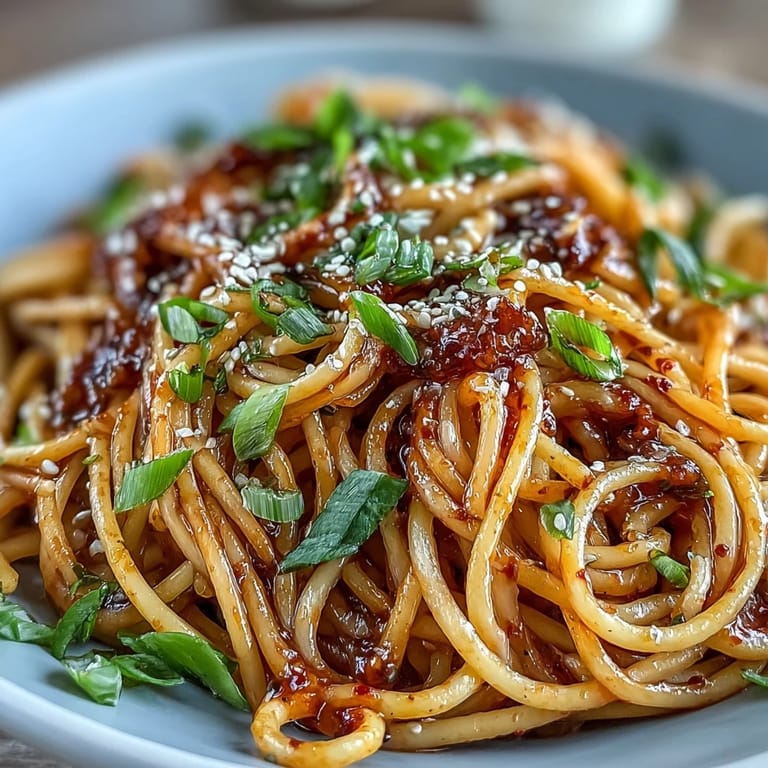
- Tumble the drained pasta straight into the sauce along with reserved cooking water. Use tongs to toss until each strand is shining and cloaked in flavor.
- Garnish and serve:
- Divide into bowls, then shower with sliced spring onions, sesame seeds, and a few cracks of black pepper. Serve immediately and don’t wait for anyone to walk in late—it’s best piping hot.
 Pin it
  Pin it
 It was during a spontaneous movie night, bowls perched on our knees, when someone paused mid-bite and blurted out: &Can we have this every week&? That’s when I realized this pasta had quietly become our favorite comfort food, no special occasion required.
How to Adjust for Diets and Preferences
The great thing is, swapping regular butter for a plant-based version instantly makes this vegan—just don’t forget to check the gochujang label for sneaky seafood ingredients if you’re strict. For extra greens, I love wilting in a few handfuls of spinach or tossing in quick-sautéed mushrooms, and if someone wants more protein, a jammy egg or crispy tofu cubes work wonders.
Making It Your Own
Sometimes I’ll sprinkle in a little grated ginger with the garlic or finish the whole thing with a spritz of lime for a brighter twist. Leftover pasta sauce makes an excellent drizzle over veggies or is perfect for tossing into fried rice the next day, ensuring nothing ever goes to waste in my kitchen.
Timing and Tools for Success
Having all your tools—colander ready, pasta water ladle at hand—makes this recipe nearly foolproof. This dish likes attention and quick hands, so measure your ingredients beforehand and keep things moving once you start. Nothing beats the satisfaction of tossing everything together with a gentle clatter of tongs.
- If you like things spicy, don’t be shy with the gochujang—just taste as you go.
- Toasted sesame seeds really do take seconds, so skip the multitasking here or they’ll burn.
- A final sprinkle of spring onion just before serving keeps it fresh and bright.
 Pin it
  Pin it
 Whether you’re cooking for a crowd or just yourself, this gochujang butter pasta never fails to spark joy—and cravings for another bowl. I hope your kitchen fills with laughter, spice, and just the right amount of mess.
Recipe FAQs
- → Can I use a different pasta shape?
Yes. Spaghetti or linguine work well to catch the sauce, but short shapes like penne or fusilli also hold the gochujang butter beautifully.
- → How spicy will this be?
Gochujang ranges from mild to hot. The butter and honey temper the heat, so adjust the gochujang amount to taste or dilute with extra butter or cooking water.
- → How do I make it vegan?
Swap unsalted butter for plant-based butter and use maple syrup instead of honey. Ensure the gochujang and soy sauce are vegan-friendly.
- → How do I adjust sauce thickness?
For a thinner sauce, add more reserved pasta water a tablespoon at a time. To thicken, reduce the liquid briefly over medium heat while tossing the pasta so the sauce concentrates and coats the strands.
- → What are good add-ins or garnishes?
Sautéed mushrooms, wilted spinach, a soft-boiled egg or crispy tofu add texture and protein. Finish with sliced spring onions, toasted sesame seeds and a crack of black pepper for brightness.
- → How should leftovers be stored and reheated?
Refrigerate in an airtight container up to 2 days. Reheat gently in a skillet with a splash of water to revive the sauce, stirring until glossy.