 Pin it
 There's a particular comfort in the sound of rice hitting water, that soft cascade I'd hear from my kitchen as my roommate would prep dinner. One evening, she made this coconut jasmine rice to go with a curry we were sharing, and the aroma that filled our apartment was unlike anything I'd made before—not just rice, but something perfumed and almost luxurious in its simplicity. I asked her what made it different, expecting some complicated technique, but it was just this: jasmine rice and coconut milk, simmering together like they were meant to meet. I've made it countless times since, and it's become the side dish I return to when I want something that feels both special and effortless.
I made this rice for a small dinner party once, worried it might seem too plain next to the spiced curry I'd spent all afternoon on, but it was the first thing people asked for seconds of. One guest kept saying it tasted like a restaurant, and honestly, that moment—watching someone enjoy something I'd almost dismissed as too simple—taught me that sometimes the most elegant dishes are the ones that know exactly what they are.
Ingredients
- Jasmine rice: This variety has a naturally sweet, floral aroma that intensifies when cooked with coconut milk; rinsing removes excess starch so the grains stay separate and light.
- Coconut milk: Use full-fat and unsweetened for the best flavor and texture; it creates a gentle creaminess that standard water alone can't achieve.
- Water: This balance with coconut milk prevents the rice from becoming too rich or heavy.
- Salt: A half teaspoon draws out the natural sweetness of both the rice and coconut without making the dish taste salty.
- Sugar (optional): Add this only if you like things sweeter; it's a subtle touch, not a necessity.
Tired of Takeout? 🥡
Get 10 meals you can make faster than delivery arrives. Seriously.
One email. No spam. Unsubscribe anytime.
Instructions
- Rinse the rice with intention:
- Hold the rice under cool running water and stir it gently with your fingers until the water runs clear—this takes about a minute and makes a real difference in the final texture. You're removing the starch that wants to make everything clump together.
- Combine everything in your pot:
- Stir the rinsed rice, coconut milk, water, salt, and sugar (if using) together so everything mingles evenly. The coconut milk will smell wonderful at this stage.
- Bring to a gentle boil:
- Let it come to a simmer over medium heat; you'll notice tiny bubbles breaking the surface and the kitchen filling with that jasmine fragrance. Once you see a steady gentle boil, move to the next step.
- Cover and simmer low:
- Turn the heat down to low, put the lid on tightly (this is important—it traps the steam that cooks the rice), and let it sit undisturbed for 15 minutes. Resist the urge to peek.
- Rest off the heat:
- Remove the pot from heat and let it sit, covered, for 10 minutes so any remaining liquid gets fully absorbed and the rice reaches its perfect tender state. This rest is when the magic happens.
- Fluff and serve:
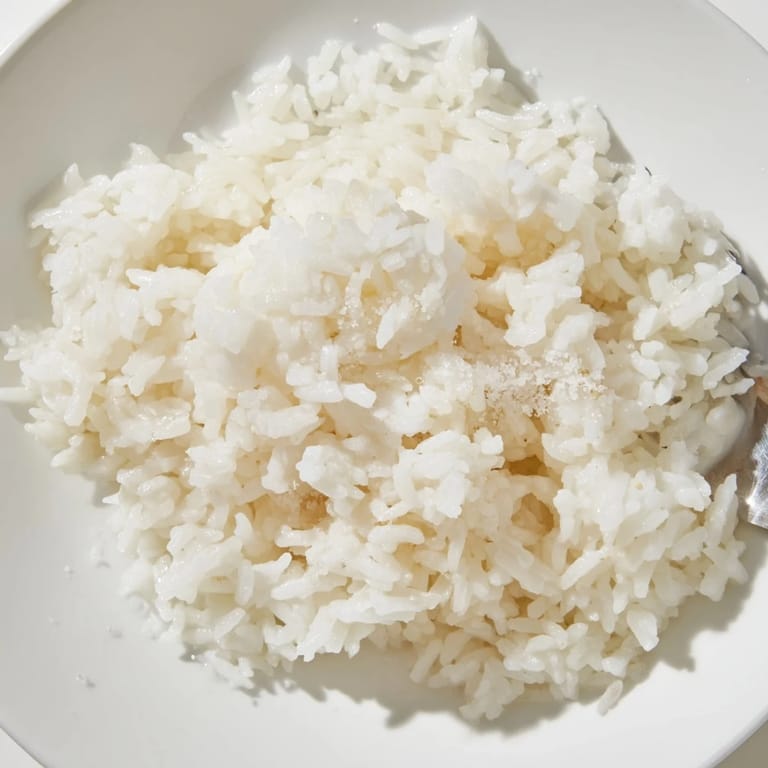
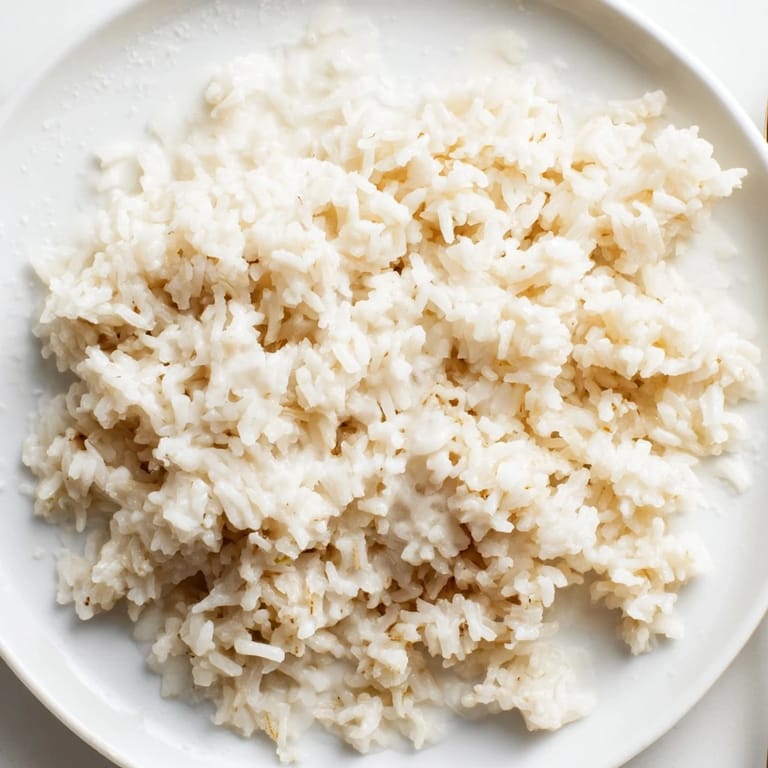
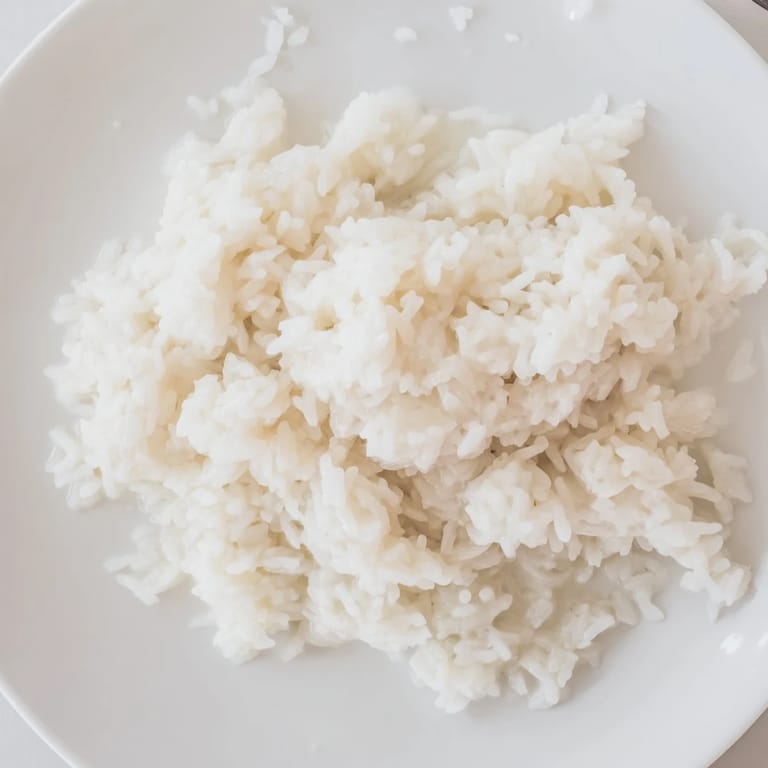
- Use a fork to gently separate the grains, breaking up any clumps that formed, and serve while warm so the coconut flavor is at its peak.
 Pin it
 This rice sits beside everything beautifully, but I remember one meal where it stood completely on its own. A friend was going through a rough time, and I'd made a simple dinner with this coconut rice and some grilled vegetables. She told me later that the gentleness of it—nothing loud, nothing demanding—was exactly what she needed that evening. Food doesn't always have to be complicated to matter.
Making It Your Own
The base recipe is wonderful as-is, but this rice is also a canvas for your own touches. A thin slice of ginger added at the beginning gives a subtle warmth, or a pandan leaf (if you can find them) will make your kitchen smell like a Southeast Asian market. Some people add a pinch of turmeric for color and earthiness, others stir in a bit of lime zest at the end for brightness.
Pairing Possibilities
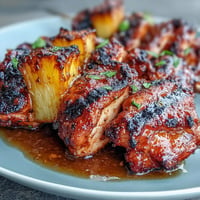
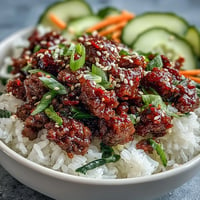
I've served this alongside Thai green curry, Vietnamese grilled chicken, and simple stir-fried bok choy, and it's equally at home with any of them. The sweetness and creaminess of the rice acts like a gentle anchor, letting whatever you pair it with be the star without competing. It also keeps well in the fridge for 3 days, which means you can make it ahead and reheat gently with a splash of water if it's dried out.
Kitchen Wisdom
This recipe taught me that sometimes the smallest gestures of care—rinsing the rice thoroughly, letting it rest properly, using good coconut milk—are what separate a dish you eat from a dish you remember. I also learned that not every side needs to be complicated or fussy; some of the best ones are the ones that know their place and do it beautifully.
- If you're nervous about cooking rice, this recipe is actually forgiving because the coconut milk cushions any small timing mistakes.
- Taste the rice before serving and add a pinch more salt if needed—coconut can sometimes mask the salt a bit.
- Keep the lid on while simmering; lifting it lets the steam escape and can dry out the rice.
 Pin it
 This coconut jasmine rice has become my go-to when I want to feel like I'm cooking something special without the stress, and I hope it becomes that for you too. There's real beauty in a dish that's this simple and this reliable.
Recipe FAQs
- → How do I rinse jasmine rice properly?
Rinse jasmine rice under cold water, stirring gently, until the water runs clear to remove excess starch and prevent clumping.
- → Can I substitute water with more coconut milk?
Yes, replacing water with additional coconut milk enhances the creamy flavor and richness of the dish.
- → What is the purpose of letting the rice rest after cooking?
Resting the rice covered off the heat allows it to absorb remaining moisture evenly, resulting in a fluffy texture.
- → Are pandan leaves necessary for flavor?
Pandan leaves add a fragrant aroma but are optional. You can also use a small piece of ginger for a different but complementary scent.
- → How can I make this dish sweeter?
Adding a teaspoon of sugar during cooking imparts a subtle sweetness that complements the coconut and jasmine rice.
- → Is the dish suitable for vegan and gluten-free diets?
Yes, it uses plant-based ingredients and naturally gluten-free components, making it vegan and gluten-free friendly.